
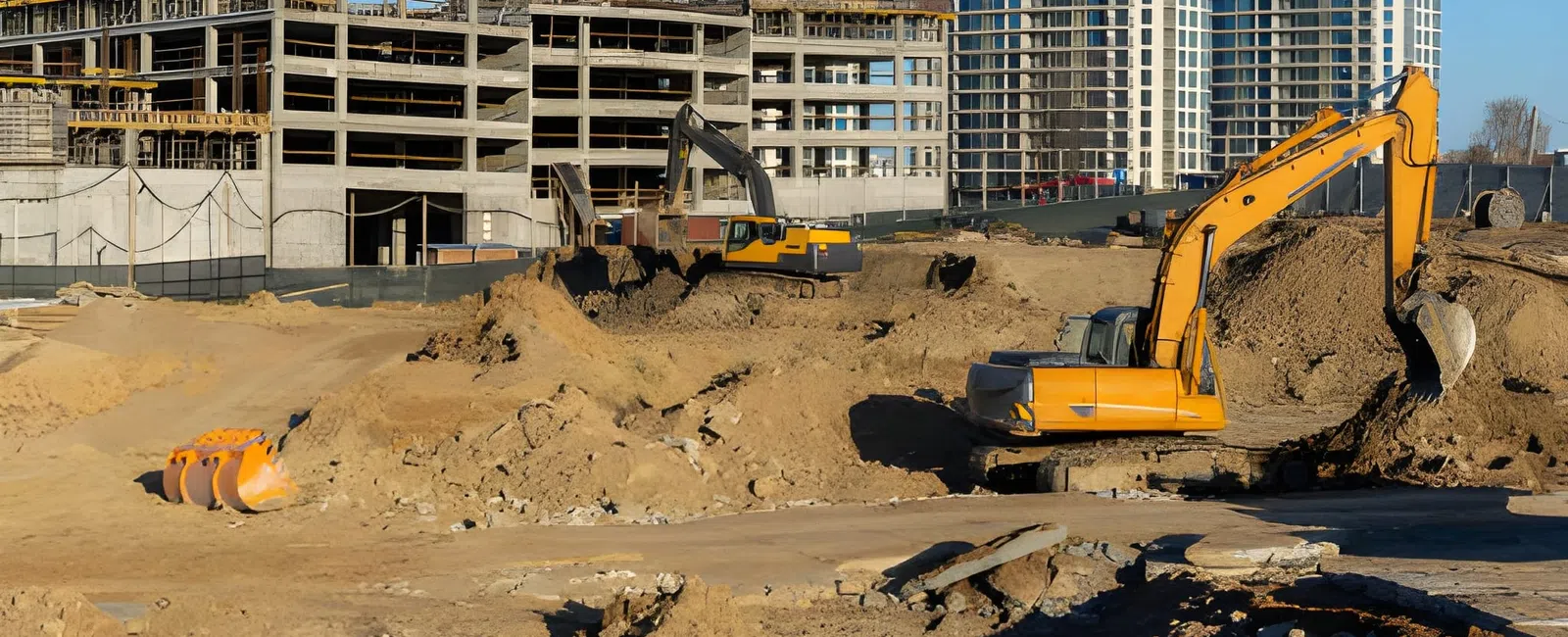
Every strong, lasting building has something in common, and it is not the architecture or the materials. It is the ground underneath. Before a single foundation is poured or a wall goes up, the land has to be cleared, leveled, and made stable. That work is called site preparation, and it is the quiet first phase that decides whether everything built on top of it holds up. Get it right and the project moves smoothly. Get it wrong and you are looking at drainage problems, settling, and structural trouble down the road.
I am Grady Brian, a U.S. Army veteran and the owner of BHH Demolition. Getting Georgia ground ready to build on is a core part of what we do, so here is a clear look at what site preparation actually involves, why each step matters, and why it belongs in experienced hands.
What Site Preparation Actually Means
Site preparation is the full set of work that turns a piece of land, whether it is raw, wooded, or already built up, into a clean, stable, construction-ready site. It is not a single task. It is an umbrella over several phases, from clearing vegetation and removing old structures to digging, grading, and stabilizing the ground. On a property with existing buildings, site prep usually starts with demolition. On raw land, it starts with clearing. Either way, the goal is the same: a level, well-drained, properly engineered base that the rest of the project can rely on.
The Main Phases of Site Preparation
Most site preparation projects move through some combination of these stages, in roughly this order:
- Site assessment and soil testing. Evaluating the land, the soil, drainage, and any hazards, so the work is planned around real conditions rather than guesses.
- Clearing and grubbing. Removing trees, brush, and vegetation, then digging out the roots and stumps left behind below the surface.
- Demolition. Taking down and removing existing buildings, foundations, slabs, and underground structures on a built-up site.
- Excavation. Digging out earth for foundations, basements, or utility lines, and reaching the right depth for the build.
- Grading and leveling. Shaping the ground to the correct slopes so water drains away from the structure instead of pooling against it.
- Compaction and stabilization. Firming up the soil so it can carry the weight of what gets built, and addressing any unstable ground.
Each phase sets up the next. Skip or rush one, and the problems tend to show up later, often after construction has already started, when they are far more expensive to fix.
Where Demolition Fits In
On any property that already has structures, demolition is a major part of site preparation. You cannot build something new until what was there before is responsibly and safely removed. That means more than knocking down walls. It means managing hazardous materials like asbestos and lead, disconnecting utilities, hauling and recycling the debris, and leaving the ground ready for excavation and grading. Demolition and site prep go hand in hand, which is why a contractor who handles both can carry a project cleanly from an old structure to a build-ready lot without gaps or finger-pointing between crews.
Why Proper Site Preparation Matters So Much
Site preparation is easy to overlook because it happens before the visible building begins, but it carries enormous weight. Properly graded and compacted ground gives the foundation a stable base and keeps the structure from settling unevenly later. Good drainage planning keeps water away from the foundation, which protects against erosion, flooding, and long-term moisture damage. A clean, level, organized site also lets the foundation and framing crews work efficiently instead of fighting the conditions. In short, nearly every problem you want to avoid in a finished building traces back to whether the ground was prepared correctly. It really is the foundation beneath the foundation.
Site Preparation on Georgia Ground
Georgia's terrain makes site preparation its own kind of challenge. The red clay that defines our soil expands when wet and hardens when dry, which affects compaction, drainage, and stability. Sloped and hilly lots, common across the metro and north Georgia, raise the stakes on grading and erosion control once the ground is exposed. Pockets of hard rock can complicate excavation, and low, wet areas bring their own demands. Preparing a site well here means understanding how this particular ground behaves and planning around it, the kind of knowledge that comes from years of working Georgia job sites rather than from a textbook.
Common Challenges, and How Professionals Handle Them
Even a well-planned site can throw surprises. A few of the usual ones, and how an experienced crew deals with them:
- Unstable soil. Soil testing catches it early, and solutions like compaction, improved drainage, or soil replacement fix it before it becomes a foundation problem.
- Hidden utilities. Locating buried lines before any digging, including calling 811, prevents dangerous and costly strikes.
- Weather and drainage. Proper scheduling and drainage controls keep Georgia's rain and clay from washing out a site or stalling the work.
- Unexpected structures. Old foundations, buried tanks, or surprises underground get caught through careful inspection rather than discovered the hard way.
The common thread is planning. Good site prep is built around anticipating problems, not reacting to them after they have already cost you time.
Why Site Preparation Is a Job for Professionals
Site preparation pulls together demolition, earthwork, soil knowledge, drainage planning, and a stack of safety and environmental rules, and every one of them affects what gets built afterward. A small misjudgment about soil stability, a missed utility line, or poor grading can turn into a serious and expensive problem later. That is why this work belongs with an experienced team that handles clearing, demolition, excavation, and grading as a regular part of the job, and that knows the local ground and regulations. The right crew leaves you with a site that is clean, stable, compliant, and genuinely ready to build on.
Frequently Asked Questions
What is site preparation in construction?
Site preparation is the work that turns a piece of land into a stable, construction-ready site. It can include site assessment, clearing and grubbing, demolition, excavation, grading, and soil compaction, all aimed at creating a level, well-drained base for the build.
Is demolition part of site preparation?
Yes. On any property with existing structures, demolition is a key part of site prep. Old buildings, foundations, and slabs have to be safely removed and the debris cleared before excavation and grading can begin.
Why is site preparation so important?
Because everything built on the site depends on it. Proper grading, drainage, and soil compaction give the foundation a stable base and prevent settling, erosion, and water damage later. Poor site prep is behind many structural problems in finished buildings.
Can I handle site preparation myself?
For anything beyond a very small project, it is not advisable. Site prep involves heavy equipment, demolition hazards, soil and drainage judgment, utility location, and regulatory compliance, which is why it is firmly a job for experienced professionals.
Starting a Project in Georgia? Begin With the Ground
A successful build starts long before the foundation, with ground that has been cleared, leveled, and stabilized the right way. BHH Demolition is veteran-owned and operated, led by U.S. Army veteran Grady Brain, with more than 23 years of demolition and site work experience across Georgia, an impeccable safety record, and recycling built into every project. We serve the Atlanta metro and communities across Georgia from our home base in Oxford.
We are ready when you are. Call us or reach out online for a free, no-pressure quote, and we will get your site cleared, prepped, and ready to build.