
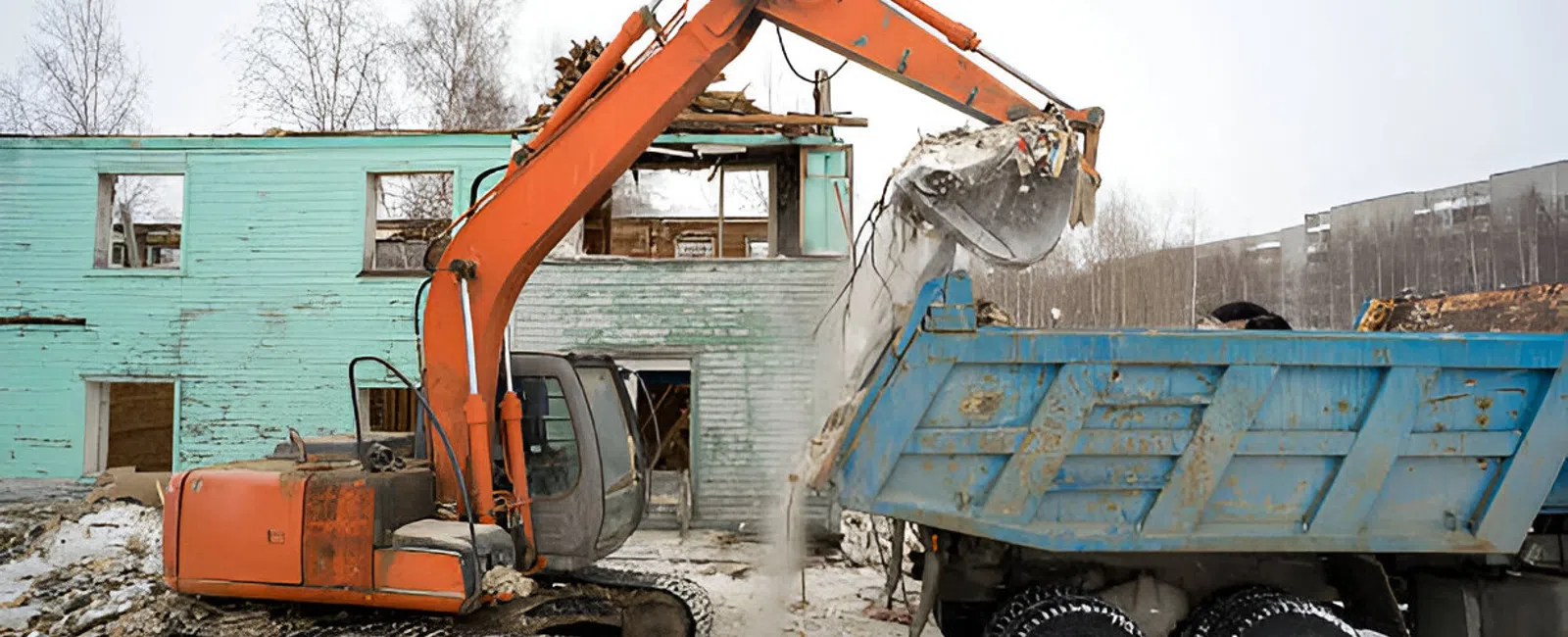
Before the concrete trucks, before the framing, before anything you can recognize as a building, the ground itself has to be dug, shaped, and moved. That work is excavation, and it is the unglamorous first chapter of almost every construction story. Get it right and the whole project has a solid place to stand. Get it wrong and you are looking at foundation problems, drainage headaches, or worse.
What Is Excavation?
In construction, excavation is the process of digging, moving, and removing earth, rock, and other material to create the space and shape a project needs. That could mean digging out a hole for a foundation or basement, cutting a trench for utility lines, or removing soil to set the right elevation for a build. The word also gets used in archaeology for carefully digging up artifacts, but that is a different world. Here we are talking about earthwork: the heavy, machine-driven moving of ground to prepare a site for construction.
Excavation vs Clearing and Grading
These terms get tangled together on a job site, so it helps to separate them:
- Clearing removes what is on top of the ground, the trees, brush, and vegetation.
- Grubbing digs out the roots and stumps left below the surface after clearing.
- Excavation digs into and removes the earth itself, to make room for a foundation, basement, or utilities, or to reach the right depth.
- Grading shapes and levels the soil that remains, setting the final slopes for drainage and the build.
They often happen in roughly that order, and a single site-prep crew may handle all of them. Excavation is the part where you actually go down into the ground, not just across the top of it.
The Main Types of Excavation
Excavation is not one task. It gets named either for the material being moved or the purpose behind it. A few of the common ones:
- Foundation and footing excavation. Digging out the space for a building's foundation, the most common kind on a build.
- Trench excavation. Long, narrow digs for utility lines like water, sewer, gas, and electrical.
- Basement excavation. Removing a large volume of earth to create below-grade living or storage space.
- Bulk excavation. Moving large quantities of soil to reshape a whole site or reach a target grade.
- Rock and muck excavation, named for the tougher material being removed, hard rock or wet, unstable soil that needs special handling.
The type drives the equipment, the method, and the safety plan, which is a big part of why an experienced crew matters.
Where Excavation Fits in a Project
Excavation lands early, right alongside the rest of site preparation. After the land is cleared and grubbed, excavation digs out whatever needs to come out, the foundation footprint, the utility trenches, the basement, and grading shapes the surface. Only once the ground is dug and shaped correctly does the foundation work begin. In other words, excavation is one of the steps that decides whether everything above it sits on a stable, well-drained base.
Why Excavation Is Serious, Regulated Work
Excavation is one of the more dangerous activities in construction. The big risk is a cave-in. The walls of a trench or hole can collapse without warning, and a collapse can bury a worker in seconds. There is also the danger of hitting an unmarked underground utility, a gas line, a water main, an electrical conduit, which is why locating buried lines before digging is non-negotiable. Because of these hazards, excavation is governed by strict OSHA rules covering trench depth, sloping and shoring, and protective systems.
Why Excavation Is a Job for Professionals
Doing excavation right takes the proper equipment, an understanding of soil behavior, the discipline to locate and protect utilities, and strict attention to trench-safety rules that keep crews alive. A small misjudgment about soil stability or a missed utility line can turn quickly into a disaster. That is why excavation belongs with an experienced crew that does earthwork and site preparation as a regular part of the job, not a rented machine and a hopeful weekend. The goal is a site that is dug, shaped, and safe, and ready for what gets built on it.
Frequently Asked Questions
What does excavation mean in construction?
It is the digging, moving, and removal of earth and rock to create the space and shape a project needs, such as a foundation, basement, or utility trench, and to reach the right depth and grade for the build.
What is the difference between excavation and grading?
Excavation digs into and removes the ground to make room or reach depth. Grading shapes and levels the soil at the surface to set the final slopes. Excavation goes down; grading smooths across.
What are the main types of excavation?
Common types include foundation and footing excavation, trench excavation for utilities, basement excavation, bulk excavation to reshape a site, and rock or muck excavation named for the difficult material being moved.
Is excavation dangerous?
Yes. Cave-ins and trench collapses are a leading cause of excavation deaths, and hitting an unmarked utility line is a serious hazard. That is why excavation follows strict OSHA safety rules and is firmly a job for trained professionals.
Getting a Site Ready to Build? Start Below Ground
Clearing, excavation, and grading all have to be done right for everything above them to hold up, and that begins with a crew that knows the ground and the rules that govern it. BHH Demolition is veteran-owned and operated, led by U.S. Army veteran Grady Brain, with more than 23 years of demolition and site work experience, a safety record we stand behind, and a recycling-first approach. We serve the Atlanta metro and communities across Georgia from our home base in Oxford.
We are ready when you are. Call us or contact us online for a free, no-pressure quote, and we will get your site dug, shaped, and ready to build.