
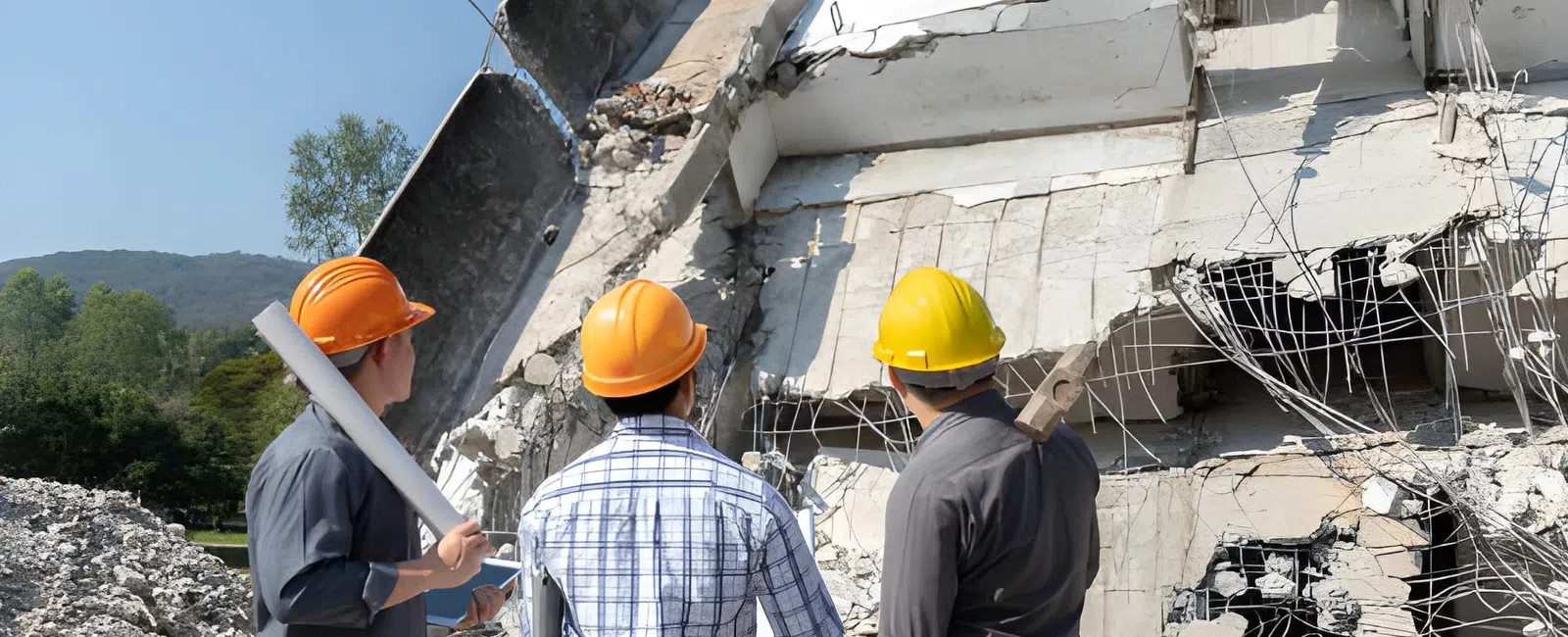
Asbestos was once prized in construction for being heat-resistant and durable. Today it is one of the most serious hazards in older buildings, because when it is disturbed, it releases microscopic fibers that can cause life-threatening illnesses, including mesothelioma and lung cancer. For any property owner planning a demolition or renovation, inspecting for asbestos and removing it before the work begins is not a precaution you can skip. In most cases, it is the law.
What Asbestos Is and Why It Is Dangerous
Asbestos is a group of naturally occurring minerals once used in insulation, roofing, tiles, and pipes for their strength and heat resistance. The danger comes when asbestos-containing materials are cut, drilled, or broken: they release fine fibers into the air that are easy to inhale and impossible to see. Once those fibers reach the lungs, they can stay for decades, causing chronic respiratory disease and cancer. That is why modern regulations require asbestos to be identified and removed before any major demolition or renovation, not discovered in the middle of one.
Where Asbestos Hides in Older Buildings
In structures built before the 1980s, asbestos can turn up in places you would not expect. Common spots include:
- Ceiling tiles and insulation
- Vinyl floor tiles and the adhesives under them
- Roof shingles and flashing
- Pipe insulation
- Drywall joint compound
- Boiler and furnace seals
Age is the biggest red flag. Older homes, older mobile homes, and aging commercial buildings are all candidates, which is one reason demolishing an older house always starts with testing rather than swinging a hammer.
The Rules: EPA, OSHA, and Local Requirements
Asbestos handling is tightly regulated at every level. Property owners generally have to comply with three things at once.
- EPA NESHAP standards, which require an asbestos inspection before demolition or renovation of most structures.
- OSHA regulations, which protect workers from asbestos exposure on the job.
- Local permitting, which often requires a licensed abatement contractor. Jurisdictions across Georgia, including the Atlanta area and Athens, have their own rules to follow.
Skipping any of these can mean fines, a stop-work order, or a genuine health hazard. Working with a licensed contractor keeps the project compliant from start to finish.
How an Asbestos Inspection Works
Detection is the first and most important step, and it follows a clear sequence.
A certified inspector starts with a visual assessment of the building's age, construction materials, and history. Suspected materials are then carefully sampled and sent to an accredited lab, because asbestos cannot be confirmed by eye alone. The lab results are documented, and if asbestos is present, an abatement plan is written that spells out removal methods, protective measures, and disposal. Finally, depending on state and local law, the appropriate environmental agencies are notified before any removal begins.
How Licensed Crews Remove Asbestos Safely
Once asbestos is confirmed, removal is a controlled, methodical process carried out by licensed abatement professionals, never a rushed teardown. The work area is sealed off with plastic sheeting and negative air pressure so fibers cannot escape. Crews wear respirators and disposable protective gear. Materials are kept wet to suppress airborne fibers, then double-bagged, labeled, and transported to an EPA-approved hazardous waste facility. Every stage follows legal protocols designed to protect the crew, the building's occupants, and the surrounding community.
Why You Should Never Remove Asbestos Yourself
DIY asbestos removal is one of the most dangerous shortcuts a property owner can take. Without training, containment, and the right equipment, you can release fibers throughout your home or workplace, contaminating the air for everyone in it. In many areas it is also illegal for an unlicensed person to do it. Certified abatement teams follow strict procedures specifically to prevent that kind of cross-contamination, which is why this is a job for professionals, full stop.
How Demolition Crews Manage Asbestos
A good demolition team treats asbestos as part of the plan, not an afterthought. That means testing before any work starts, scheduling abatement ahead of the teardown, keeping all debris contained, and coordinating with environmental authorities. Whether the job is a full teardown or an interior demolition for a remodel, the asbestos question is settled before the first wall comes down.
Asbestos and Interior Demolition
Asbestos is not only a problem in large teardowns. It is just as common in commercial interior demolition, where removing walls, ceilings, or flooring in an older building can expose asbestos-laden materials. A targeted inspection before the strip-out protects the renovation crew and anyone still using the building.
Clearance Testing After Removal
Removal is not the end of the process. An independent inspector performs clearance testing, analyzing air samples to confirm that asbestos fiber levels are below permissible limits. Only once clearance is certified can demolition or renovation safely move forward. It is the step that proves the space is genuinely safe, not just visibly clean.
Asbestos, Disposal, and Environmental Responsibility
Handling asbestos correctly protects more than the people on site. Released fibers can contaminate soil and water, so proper containment and disposal matter for the wider environment too. On the rest of the project, responsible demolition also means recycling the non-contaminated materials, concrete, metal, and clean wood, and keeping as much as possible out of the landfill. Safety and sustainability work together on a well-run job.
Frequently Asked Questions
Why is asbestos dangerous during demolition?
When disturbed, asbestos releases microscopic fibers that can be inhaled and cause serious diseases like lung cancer and mesothelioma. Demolition without testing first risks releasing those fibers into the air.
How do I know if my building contains asbestos?
You cannot tell by looking. A certified inspector collects samples and has them tested in an accredited lab, which is the only reliable way to confirm whether asbestos is present before demolition or renovation.
Can I remove asbestos myself?
No. DIY removal is hazardous and, in many areas, illegal. Always use a licensed professional who can contain and dispose of it safely.
What happens if asbestos is found during demolition?
Work stops immediately. Trained abatement specialists remove and dispose of the asbestos safely, and clearance testing confirms the area is safe before demolition resumes.
How much does asbestos removal cost?
It depends on the size of the affected area and the level of contamination, so it is quoted after an inspection rather than sight unseen. We provide an accurate estimate once the building has been assessed.
Planning a Demolition? Start With an Inspection
Before any wall comes down, you need to know whether asbestos is in the building, and you need licensed people to handle it if it is. BHH Demolition is veteran-owned and operated, led by U.S. Army veteran Grady Brain, with more than 23 years of experience, an impeccable safety record, and asbestos management built into every demolition we plan. We serve the Atlanta metro and communities across Georgia from our base in Oxford.
Call us or book a free site evaluation online, and we will make sure your project starts safe and stays compliant.