
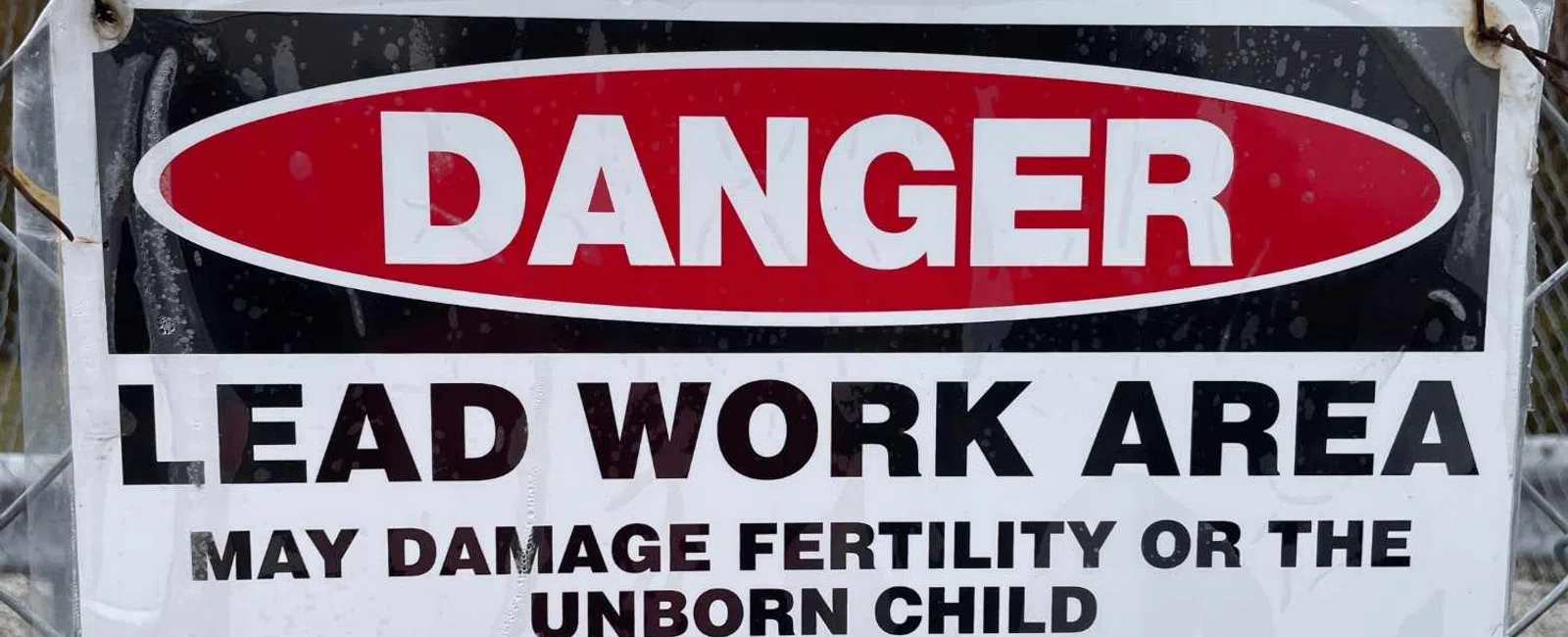
So you have confirmed there is lead paint in your older home, or you strongly suspect it, and now you're searching for next steps. Removal is one answer, but it is not the only one, and it is definitely not a job for a weekend with a sander. Lead paint removal is careful, regulated work for good reason, because the wrong approach can spread lead dust through your entire home. Lead is one of the hazards we plan around before any teardown or major remodel of an older building, and we coordinate lead-safe handling as part of that prep. So here is the straight talk on dealing with lead paint.
Do You Even Have to Remove It?
Here is something a lot of homeowners do not realize: you do not always have to remove lead paint. Intact, well-maintained lead paint that nobody is disturbing is often safer left alone than torn into. The right move depends on the paint's condition, where it is, and whether young children are in the home. In many cases, managing it in place is a smarter, safer choice than full removal. The decision should follow a professional risk assessment, not a gut call.
The Ways Lead Paint Gets Handled
When something does need to be done, there are several approaches, and removal is just one of them:
- Encapsulation. A specialized coating is applied that seals the lead paint in place, bonding to it so the surface is no longer exposed. It is often the least disruptive option for paint in good condition.
- Enclosure. The painted surface is covered with new material, such as drywall or new siding, sealing the lead behind it.
- Removal, or abatement. The lead paint is actually taken off, using controlled methods like wet scraping, approved chemical strippers, or removing the painted component and stripping it off site, all under containment.
- Replacement. Sometimes the simplest answer is to remove the whole component, an old window, door, or trim piece, and replace it.
Which one fits comes down to the situation. The goal is always the same: deal with the lead without releasing it into the air.
Why Lead Paint Work Is Strictly Regulated
Disturbing lead paint is regulated at the federal level. Under the EPA's Renovation, Repair, and Painting rule, work that disturbs lead-based paint in pre-1978 homes and child-occupied facilities generally has to be done by a lead-safe certified firm. That means trained crews, containment of the work area, dust-control practices, careful cleanup, and clearance testing to confirm the space is safe afterward. These rules exist because lead dust is invisible, easy to spread, and genuinely harmful, especially to young children. They are not red tape; they are the difference between a safe project and a contaminated home.
The Methods You Should Never Use
Several common removal methods are dangerous, and some are outright prohibited, because they turn lead paint into clouds of dust and fumes:
- Dry sanding or dry scraping, which sends lead dust everywhere.
- Power sanding or grinding without a HEPA dust collection system.
- Open-flame burning or high-heat torching, which creates toxic fumes.
- Sandblasting or power-washing, which blast contaminated material across a wide area.
If your plan to remove lead paint involves any of these, stop. This is exactly how families end up exposed. Safe removal looks slow and controlled, not fast and dusty.
Lead Paint and Demolition
When an older building is coming down, lead paint becomes part of the hazard plan, just like asbestos. The painted surfaces are identified before the work starts, and anything that needs lead-safe handling is dealt with through the proper channels before or during the teardown, with the debris managed and disposed of correctly. Building that into the front of the project keeps lead dust from spreading and keeps the job compliant. It is one more reason a demolition on an older home belongs with a team that plans for these materials, not one that finds out the hard way.
Why This Is a Job for Certified Professionals
Lead paint removal combines regulated procedures, real containment, specialized equipment, and clearance testing to prove the space is safe when the work is done. A lead-safe certified professional brings all of that, and the experience to choose the right approach, removal, encapsulation, or simply managing the paint in place, for your specific situation. The cost of doing it right is small compared to the cost of contaminating your home, so this is firmly a hire-a-pro situation.
Frequently Asked Questions
Do I have to remove lead paint from my home?
Not always. Intact, well-maintained lead paint can often be left in place or sealed rather than removed. The right choice depends on the paint's condition, location, and whether young children live there, and it should follow a professional risk assessment.
Can I remove lead paint myself?
It is not a DIY job. Disturbing lead paint is regulated, and common methods like dry sanding, scraping, and heat-gunning release lead dust and fumes. A lead-safe certified professional has the containment and methods to do it without contaminating your home.
What is the difference between lead paint removal and encapsulation?
Removal physically takes the lead paint off, while encapsulation seals it in place with a special coating so it is no longer exposed. Encapsulation is often less disruptive for paint that is still in good condition.
Is lead paint handled during demolition?
Yes. On an older building, lead paint is identified up front and managed with lead-safe practices as part of the demolition plan, with the debris disposed of properly, so fibers and dust are not released during the teardown.
Demolishing or Renovating an Older Home? Plan for the Lead First
If your project will disturb old painted surfaces, the safe move is to plan for the lead before the work begins. BHH Demolition is veteran-owned and operated, led by U.S. Army veteran Grady Brain, with more than 23 years of experience, a safety record we stand behind, and hazardous-material handling built into every job. We serve the Atlanta metro and communities across Georgia from our home base in Oxford.
We are ready when you are. Call us or reach out online for a free, no-pressure site evaluation, and we will make sure your project starts safe and stays compliant.