
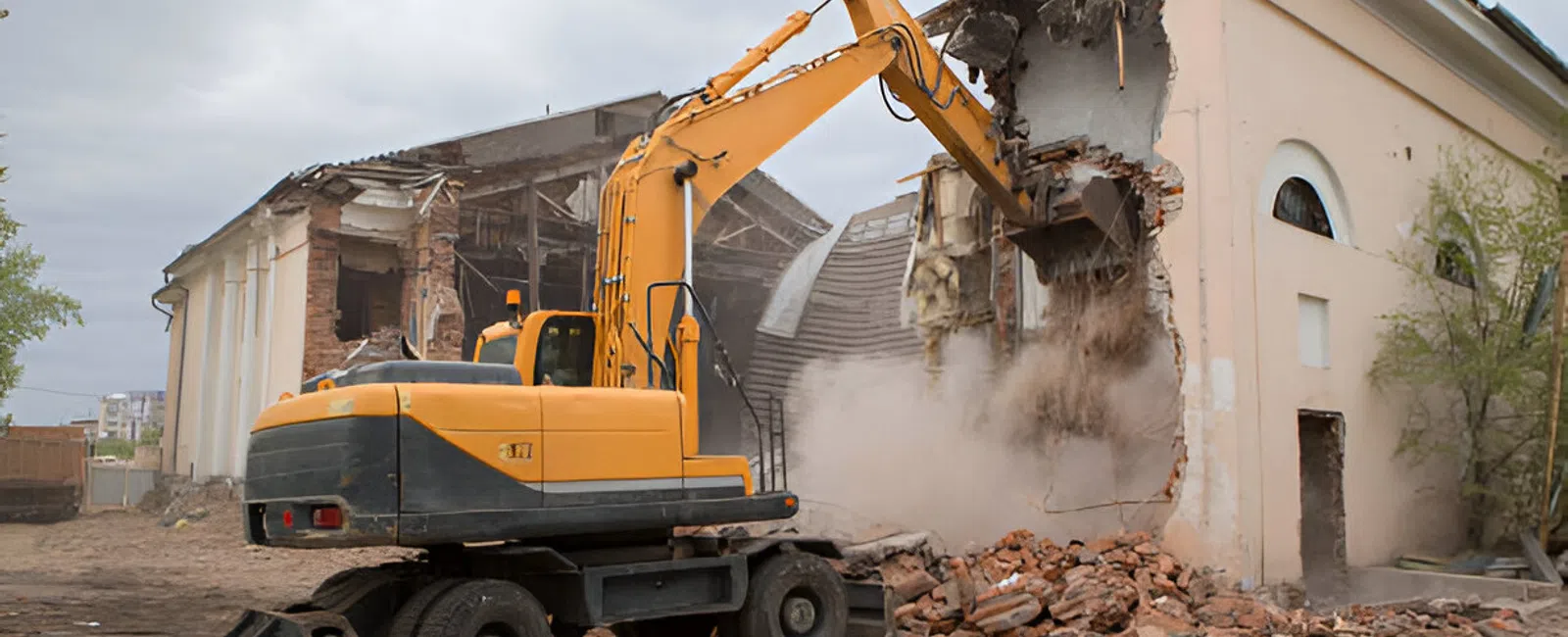
Demolition is usually the first real step in a commercial project. Whether you are clearing space for a new build, gutting a tenant suite for a build-out, or taking down an aging structure, the work that happens first sets the tone for everything that follows.
Pick the right contractor and the project stays safe, compliant, and on schedule. Pick the wrong one and you can end up with citations, delays, surprise costs, or a dangerous site.
Understand What You Are Actually Hiring
A good commercial demolition contractor is not just a crew with heavy equipment. On a commercial job, the contractor manages the whole operation, and that scope usually includes:
- Project planning and coordination with your schedule and other trades.
- Safety planning and on-site protocol.
- The technical execution of the demolition itself.
- Environmental and waste management, including recycling.
- Final cleanup and a clean handover of the site.
The best contractors tailor that approach to your project. In a commercial setting, where keeping operations running and minimizing downtime often matter as much as the teardown itself, that flexibility is worth a lot.
Safety and OSHA Compliance Come First
Commercial demolition is serious, high-risk work. Structural collapse, hazardous materials like asbestos and lead, falling debris, dust, and heavy machinery all share the same site. In Georgia, following safety standards is not just good practice, it is a legal requirement, and the Occupational Safety and Health Administration enforces strict rules around structural stability, hazardous material handling, fall protection, and dust and noise control.
A contractor who takes this seriously runs pre-demolition engineering and environmental surveys, builds a site-specific safety plan around the hazards they find, trains and equips the crew properly, and documents routine inspections. A contractor who treats safety as paperwork is a risk to your project, your budget, and your liability. Ask directly how they handle OSHA compliance, and listen for a real answer.
Verify Licensing, Insurance, and Bonding
This is the one to never skip. Demolition carries real liability: worker injuries, damage to neighboring property, and environmental exposure are all on the table. Before you hire, confirm that the contractor carries general liability insurance, workers' compensation coverage, and any bonding your project or jurisdiction requires. An underinsured or uninsured contractor might quote a lower number up front, but that gap becomes your problem the moment something goes wrong. A reputable contractor hands over proof without hesitation.
Local Permit and Code Knowledge Matters
Commercial demolition in Georgia means navigating permits, and the requirements shift from one city or county to the next. Urban zones and historic districts can add extra steps and procedural hurdles. A contractor who works in your area regularly knows how to pull the right permits, clear inspections, and avoid the delays that come from missed paperwork. Ask whether permitting is included in their scope and who manages it. The right answer is that they handle it, because they know the local process well.
Look for a Trained, Certified Crew
Demolition is not just about knocking down walls. It involves heavy machinery, hazardous materials, and constant judgment calls. A strong commercial crew holds certifications for the specific equipment they run, understands hazardous material protocol, and is trained in emergency response and confined space entry. That training is what turns a chaotic-looking job site into a controlled one. It also protects your timeline, because a trained crew works with precision instead of guesswork.
Ask About On-Site Protocols
Every demolition site is a dynamic, high-risk environment, and order does not happen by accident. A professional contractor establishes detailed site protocols before work begins, including:
- Verifying and shutting down utilities, gas, electric, and water, before anything is touched.
- Hazard mapping and environmental assessment of the structure.
- Control plans for dust, noise, runoff, and debris.
- Traffic and access management to protect workers and the public.
- Emergency response systems, including first aid and evacuation plans.
On a commercial site, especially one near other businesses or the public, these protocols are what keep a project from turning into an incident report.
Sustainability and Smart Debris Handling
Demolition is destructive by nature, but a good contractor makes it a clean starting point rather than a mess you inherit. The right team sorts and salvages reusable materials like steel and fixtures, recycles concrete, metal, and wood to keep waste out of the landfill, and hauls the rest responsibly. Beyond the environmental upside, this often reduces disposal costs and supports any sustainability goals your organization is working toward. Ask what happens to the material once it comes down. A vague answer is a red flag.
Planning That Keeps Your Project Moving
Demolition is rarely the whole project. It is the first domino in a longer chain of construction, infrastructure, and finishing work. An experienced commercial contractor aligns the demolition with the trades that come next, so the handover is seamless and the site is ready when your next crew shows up. Contractors who think ahead also prepare the site for what comes after, removing foundations, stabilizing soil, and grading for future construction. That forward planning saves you from paying twice to fix the same ground.
Do Your Due Diligence Before You Sign
Before you commit, review the contractor's portfolio of similar commercial projects, check their safety record and any history of violations, request references, and confirm they are licensed and registered to operate in Georgia. A trustworthy contractor is transparent about their safety record, communicates clearly, and answers your questions about training, insurance, and methods without getting defensive. How they handle the vetting process tells you a lot about how they will handle your project.
Hiring on Price Alone
The lowest bid is tempting, but on a commercial demolition job it is often where the trouble starts. A quote that comes in well under the others usually means corners are being cut somewhere, on insurance, on permits, on safety, or on disposal, and those shortcuts resurface later as fines, delays, or liability that cost far more than you saved. Compare what each contractor actually includes, not just the bottom number. The right contractor is an investment in a project that finishes safely and on time.
Frequently Asked Questions
Why is demolition safety especially important on commercial projects in Georgia?
Commercial sites combine large structures, hazardous materials, heavy equipment, and often nearby businesses or the public. Georgia enforces both federal OSHA rules and local requirements, and following them protects workers, neighbors, and the legitimacy of your project.
What insurance should a commercial demolition contractor carry?
At a minimum, general liability and workers' compensation coverage, plus any bonding your project or jurisdiction requires. Always ask for proof before work begins, since an uninsured contractor leaves you exposed to the liability.
Does a demolition contractor handle the permits?
A good one does. Experienced commercial contractors know the local permitting process and manage the approvals as part of their scope, which keeps your project from stalling over paperwork.
Can a commercial demolition contractor help prepare the site for new construction?
Yes. The right contractor does more than tear down. They remove foundations, stabilize the soil, grade the surface, and clear debris so the site is ready for whatever you build next. This is part of commercial site preparation.
Planning a Commercial Demolition in Georgia?
Choosing the right contractor comes down to one thing: hiring a team that plans the whole job and treats safety as the foundation, not an afterthought. BHH Demolition is veteran-owned and operated, led by U.S. Army veteran Grady Brain, with more than 23 years of commercial demolition experience, an impeccable safety record, and recycling built into every project. We serve the Atlanta metro and communities across Georgia from our home base in Oxford.
Call us or reach out online for a free, no-pressure quote on your commercial demolition project in Atlanta, GA, and we will show you what disciplined, professional demolition looks like from start to finish.