
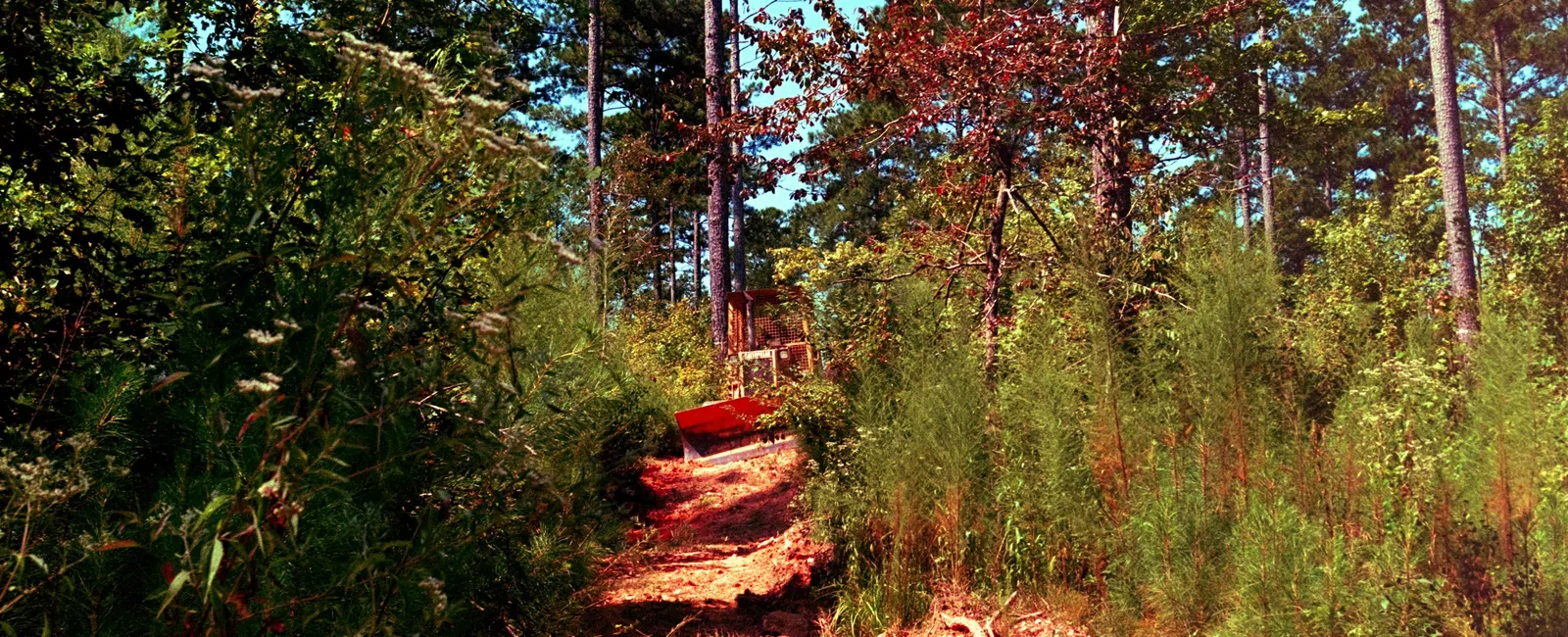
Clearing land is the first real step in almost any project, a new home, a commercial build, opening up overgrown acreage, and the company you hire to do it sets the tone for everything that follows. Pick the right crew and the site gets cleared cleanly, legally, and ready for the next phase. Pick the wrong one and you can end up with fines, erosion problems, a struck utility line, or a lot you have to pay to fix before you can even start building.
1. Choosing the Cheapest Bid Without Looking Closer
The lowest quote is tempting, especially on a big-acreage job, but it is also where the most expensive mistakes start. A bid that comes in well under the others usually means corners are getting cut somewhere, on permits, on erosion control, on disposal, or on insurance. Those shortcuts do not disappear; they show up later as fines or rework that cost far more than you saved. Compare what is actually included in each quote, not just the bottom number.
2. Not Verifying Licensing and Insurance
This is the one to never skip. A land clearing job involves heavy equipment, falling trees, and real risk to people and property. If the company is not properly licensed and insured, and you cannot verify it, you could be on the hook for any injury or damage that happens on your land. Ask for proof, and confirm it. A reputable contractor will hand it over without hesitation.
3. Assuming Permits Will Sort Themselves Out
Many Georgia jurisdictions require permits for clearing, especially near wetlands, steep slopes, or public roadways, and clearing without them can mean a stop-work order or fines. The mistake is assuming either that you do not need a permit because it is your land, or that the contractor will automatically handle it. Ask directly: who pulls the permits, and is that included? A good contractor knows the local requirements and manages the permitting as part of the job.
4. Overlooking Erosion and Drainage Planning
Clearing strips the land bare, and bare soil washes away in the first hard Georgia rain if nobody planned for it. That leads to flooding, sediment running into creeks, and damage to the grading you are paying for. Before you hire, ask how the company handles erosion control, silt fences, straw wattles, buffer zones, proper grading, and whether drainage is part of their plan. On clay-heavy or sloped sites especially, this is not optional.
5. Forgetting About Underground Utilities
Hitting a buried gas, water, electric, or fiber line is dangerous, expensive, and can shut your project down. Even an undeveloped lot can have utilities running through or near it. Calling 811 to mark lines is free and should always happen before digging, and on larger jobs, utility location should be written into the contractor's scope. If a company does not mention it, that is a red flag worth noticing before you sign.
6. Hiring a Crew That Clears Everything
A blank slate sounds efficient, but over-clearing causes problems: lost shade and windbreaks, soil instability, more runoff, and lower property value where mature trees are stripped out. The right service plans the clearing around what the site actually needs, keeping the trees and features worth preserving. If a contractor's only plan is to level everything, ask why, because a thoughtful crew helps you strike the right balance. A complete service plans for permits, utility location, erosion and drainage control, selective clearing where it makes sense, and responsible debris removal or mulching, not just knocking down vegetation.
7. Ignoring Local Experience and What Happens to the Debris
Georgia terrain, clay soils, and local regulations all behave in specific ways, and a contractor who works here regularly handles them far better than one who does not. Two questions tell you a lot: do they have real experience on sites like yours, and what happens to the cleared material? A strong service mulches, recycles, or hauls debris responsibly rather than leaving you a pile or an extra bill. If they cannot answer cleanly, keep looking.
8. Trying to Do It Yourself Instead
Clearing a garden bed is one thing. Taking on several acres without the equipment, training, or experience is another, and it is where people get hurt or wreck the trees and grading they meant to keep. Between the heavy machinery, the permits, the erosion rules, and the debris disposal, large-scale clearing is genuinely a job for professionals with the right tools and operators. Hiring it out is not the expensive option once you add up the risks of going it alone.
Frequently Asked Questions
How do I choose a good land clearing service in Georgia?
Look for verified licensing and insurance, real local experience, a clear plan for permits, erosion control, and utility location, and a straight answer on what happens to the debris. Compare what each quote includes, not just the price.
Do I need a permit to clear land in Georgia?
In many cases, yes, especially near wetlands, slopes, or roads. Requirements vary by jurisdiction, so confirm with your local planning department, and ask your contractor to handle the permitting as part of the job.
What should a land clearing contractor handle besides cutting trees?
A complete service plans for permits, utility location, erosion and drainage control, selective clearing where it makes sense, and responsible debris removal or mulching, not just knocking down vegetation.
Is it cheaper to clear land myself?
Usually not, once you account for equipment rental, the risk of injury or property damage, permit and erosion requirements, and disposal. For anything beyond a small area, a professional crew is safer and often more cost-effective overall.
Hiring for a Clearing Project? Start With the Right Team
Avoiding these mistakes really comes down to one thing: hiring a crew that plans the whole job, not just the easy part. BHH Demolition is veteran-owned and operated, led by U.S. Army veteran Grady Brain, with more than 23 years of land clearing and demolition experience, a safety record we stand behind, and a recycling-first approach. We serve the Atlanta metro and communities across Georgia from our home base in Oxford.
We are ready when you are. Call us or contact us online for a free, no-pressure quote, and we will help you clear the way the right way.