
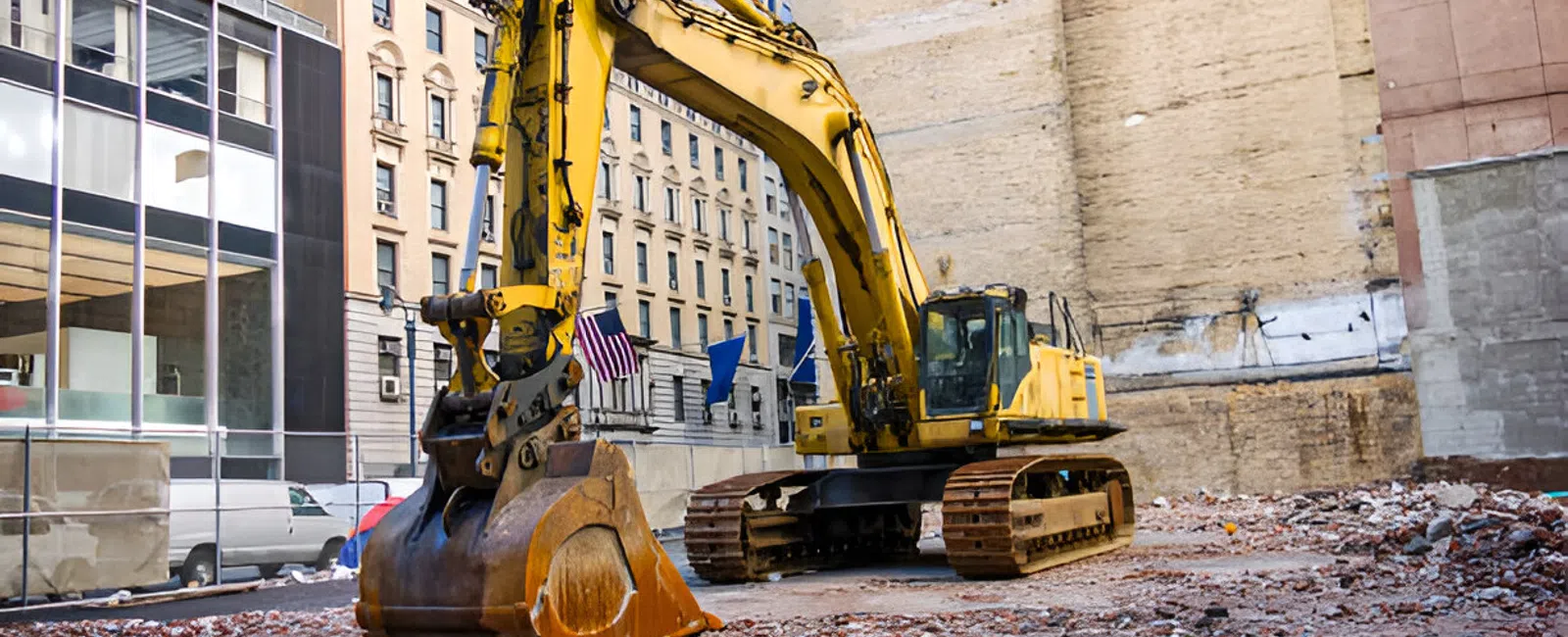
Demolition looks chaotic from the outside, but a well-run teardown is one of the most carefully controlled jobs on any construction site. It has to be, because demolition is genuinely dangerous work. Structural collapse, live utilities, hidden hazardous materials, falling debris, and heavy equipment all share the same site at once.
Why Demolition Safety Is Such a Big Deal
The risks on a demolition site are real and varied. A wall or floor can give way unpredictably as load is removed. Live gas, electrical, or water lines can cause fires, shocks, or flooding if they are not disconnected first. Older buildings hide asbestos and lead that become airborne when disturbed. Debris falls, equipment is heavy and unforgiving, and in a tight neighborhood the danger extends to the homes next door. Take those hazards seriously and a teardown is routine. Take them lightly and it turns into an injury, a lawsuit, or worse. That is why every decision on a safe job runs through the lens of risk first.
The Demolition Process, With Safety Built Into Every Step
A safe demolition process moves through clear phases, and the order is what keeps it controlled:
- Site assessment. The crew inspects the structure, the terrain, the surrounding properties, and access for equipment, and identifies hazards like asbestos, lead, or unstable framing.
- Permits and utilities. The required permits are pulled, and gas, electric, water, and sewer are safely disconnected and verified before anything is touched.
- Safety planning. A site-specific safety plan is written around OSHA rules, the equipment in use, and the particular risks of the structure.
- Hazardous material abatement. Anything dangerous is tested for and removed by licensed specialists before the teardown begins.
- Controlled teardown. The structure comes down in a planned sequence, with certified operators, spotters watching the work, and dust and noise kept in check.
- Debris removal and site restoration. The material is sorted, recycled where possible, and hauled, and the lot is graded and left clean and stable.
Notice that the visible part, the teardown, sits near the end. Most of demolition safety happens before the machine ever swings.
A Demolition Safety Checklist
If you want a quick way to picture what a safe job covers, here is the kind of demolition safety checklist a responsible crew works through on every project:
- A completed site and structural assessment, with hazards identified.
- All required permits secured before work starts.
- Utilities disconnected and confirmed in writing.
- Asbestos and lead testing done, with abatement completed where needed.
- A written, site-specific safety plan that follows OSHA standards.
- Personal protective equipment for every worker on site.
- Controlled access zones and barriers to keep unauthorized people out.
- Dust and noise control measures in place.
- Trained, certified equipment operators with spotters directing the work.
- An emergency response plan and first aid on hand.
- A final inspection and documentation confirming the site is clear and safe.
If a contractor cannot speak to most of these, that tells you something important before you ever sign a contract.
How to Tell If Your Contractor Takes Safety Seriously
As a property owner, you are not expected to run the safety plan yourself, but you can tell a lot from a few questions. A safety-minded contractor is licensed and insured and can prove it, follows OSHA standards as a matter of course, asks about the age of the building and brings up asbestos and lead before you do, has a clean safety record they will talk about, and communicates clearly about how they will protect your property and your neighbors. The cheapest bid often skips exactly these things, which is how a bargain turns into a problem.
Why DIY Demolition Is a Safety Gamble
It is tempting to save money by swinging the hammer yourself, but demolition is one of the worst places to learn on the job. Without the training to read structural load, the equipment to disconnect utilities, the certification to handle hazardous materials, and the experience to bring a structure down in a controlled way, you are gambling with serious injury, property damage, and legal liability. Safe demolition looks slow and deliberate for a reason. It is a job for a team that does it every day and plans for what can go wrong.
Frequently Asked Questions
Why is demolition considered dangerous?
Because so many hazards share the site at once: structural collapse, live utilities, hazardous materials like asbestos and lead, falling debris, and heavy equipment. Each one is serious on its own, which is why the work is so carefully controlled.
What is on a demolition safety checklist?
The essentials include a site and structural assessment, secured permits, verified utility disconnects, asbestos and lead testing and abatement, a written OSHA-based safety plan, protective equipment, controlled access zones, dust and noise control, trained operators with spotters, an emergency plan, and final inspection and documentation.
Who is responsible for safety on a demolition site?
The demolition contractor is responsible for planning and enforcing safety, following OSHA rules, training the crew, and protecting workers, the public, and adjacent properties. That is exactly why hiring a licensed, experienced contractor matters.
Is demolition safe for the homes next door?
It can be, with the right precautions. A careful crew assesses neighboring structures, controls dust and debris, uses barriers, and works in a controlled sequence specifically to protect everything around the site.
Planning a Demolition? Start With a Team That Puts Safety First
The safest projects are run by people who treat safety as the foundation, not an afterthought. BHH Demolition is veteran-owned and operated, led by U.S. Army veteran Grady Brain, with more than 23 years of experience, an impeccable safety record, and rigorous safety planning built into every job. We serve the Atlanta metro and communities across Georgia from our home base in Oxford.
We are ready when you are. Call us or reach out online for a free, no-pressure quote, and we will handle your project safely, compliantly, and from start to finish.