
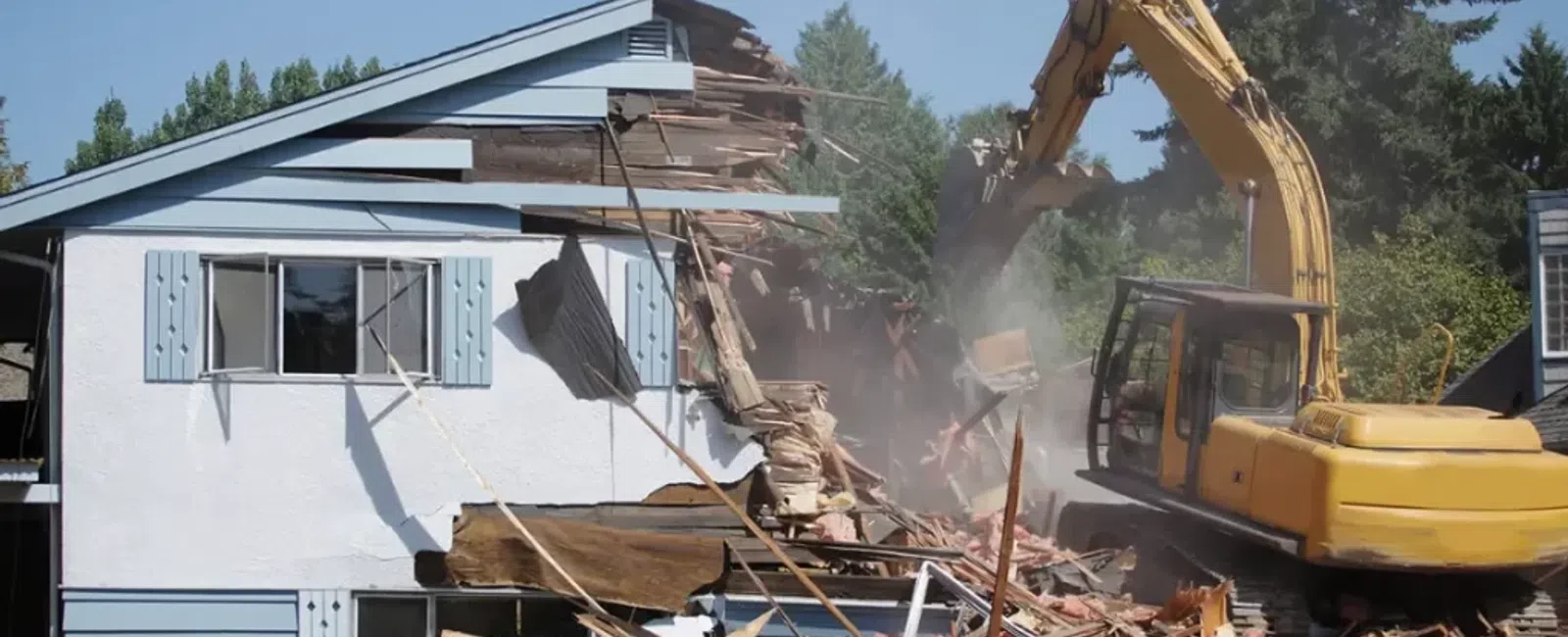
Residential demolition is rarely as simple as it looks from the curb. Between permits, utility disconnects, hazardous materials, and the fact that most homes sit close to their neighbors, residential demolition is a planned, regulated process with a lot more going on beneath the surface than a wrecking crew and a bad day for a building.
What Counts as Residential Demolition?
Residential demolition is the controlled removal of a home, or a part of one. That covers a lot of ground, from leveling an entire house down to the foundation to carefully removing just the interior of a kitchen or basement during a remodel. Because Georgia homes come in every style and sit in every kind of neighborhood, the right approach depends on the structure, the site, and what you plan to do with the space afterward.
The Main Types of Residential Demolition
Homeowners generally end up in one of a few categories, depending on their goals:
- Full demolition. The complete removal of a structure down to the foundation, typically when a home is beyond repair or the lot is being cleared for a new build.
- Partial or selective demolition. Removing specific sections while keeping the rest of the home intact, a popular choice during remodels, additions, and upgrades.
- Interior demolition. The non-structural strip-out, removing walls, ceilings, cabinetry, fixtures, and flooring while protecting the structure, usually as the first phase of a renovation.
- Deconstruction. Taking the structure apart by hand to salvage materials like wood, doors, and fixtures for reuse or recycling. It is slower but greener, and it is gaining popularity across Georgia.
Permits and Rules in Georgia
Demolition is regulated at both the state and local level, so before any work starts, you need the right permits from your city or county building department. The exact requirements depend on where you are, the size of the structure, and the type of demolition. Beyond the permit itself, a typical residential project has to account for:
- Safe disconnection of utilities, electricity, gas, water, and sewer.
- Asbestos and lead-based paint inspections, which older homes very often require.
- Dust and noise control, especially in tight residential neighborhoods.
- Proper waste disposal and recycling, handled at approved facilities.
Skipping any of this can mean fines or a stop-work order, which is exactly why a licensed, insured contractor who knows the local rules is worth it. A good one handles the permitting for you.
Why Neighborhood Demolition Takes Extra Care
Residential demolition carries hazards you cannot always see: unstable framing, outdated wiring, and hazardous materials hiding in older homes. A professional crew assesses all of that before the first wall comes down and chooses the safest method for the structure. Just as important is what surrounds the home. In a neighborhood where houses sit close together, protecting the adjacent properties, controlling dust, and keeping the site secure are part of doing the job right. It is precise work, not just brute force.
What Happens to the Debris
Georgia has real guidelines for handling demolition debris, and a responsible contractor takes them seriously. Concrete, wood, metal, and other materials are sorted and recycled wherever possible, with the rest hauled to approved facilities. Handling it this way keeps material out of the landfill and leaves you with a clean, ready lot. We build debris removal and recycling into every job so the cleanup is not your problem to solve.
How to Choose a Residential Demolition Contractor
Picking the right contractor is one of the most important decisions in the whole project. Look for a few things in particular:
- Licensing and insurance you can verify.
- Real experience with residential work, not just commercial jobs.
- Knowledge of your local permitting and codes.
- A strong safety record and clear, transparent communication.
A contractor who checks those boxes will keep your project compliant, protect your property and your neighbors, and keep you informed at every step.
Why Residential Demolition Is Not a DIY Job
Doing it yourself can look like a way to save money, but the risks are real and expensive. Structural collapse, a struck gas or electrical line, disturbed asbestos, and regulatory violations can all turn a savings plan into a serious problem. A professional demolition team keeps the project compliant with Georgia law, carries the liability, disposes of the waste correctly, protects the surrounding properties, and gets the job done efficiently. They also coordinate with inspectors and disposal facilities so you do not have to. The value is not just the teardown; it is everything handled correctly around it.
Frequently Asked Questions
Do I need a permit for residential demolition in Georgia?
Yes. Most local governments require a demolition permit before any work begins, along with documented utility disconnects. A licensed contractor handles the permitting as part of the project.
Is asbestos testing required before demolition?
For older homes, very often yes. Asbestos and lead-based paint inspections are common requirements, and anything hazardous is removed by licensed professionals before the teardown.
Can I stay in my home during interior demolition?
For small projects it may be possible, but with utilities being disconnected and dust and hazardous materials in play, many homeowners choose to relocate temporarily for safety. Your contractor can advise based on the scope.
What happens to the demolition debris?
It is sorted, recycled wherever possible, and hauled to approved facilities, leaving you a clean, build-ready lot.
Planning a Teardown in Georgia? Let Us Walk You Through It
Whether you are removing an entire home or stripping out the interior for a remodel, the project goes smoothly with a team that plans for every step. BHH Demolition is veteran-owned and operated, led by U.S. Army veteran Grady Brain, with more than 23 years of experience, a safety record we stand behind, and recycling built into every job. We serve the Atlanta metro and communities across Georgia from our home base in Oxford.
We are ready when you are. Call us or contact us online for a free, no-pressure quote, and we will help you take the next step with confidence.