
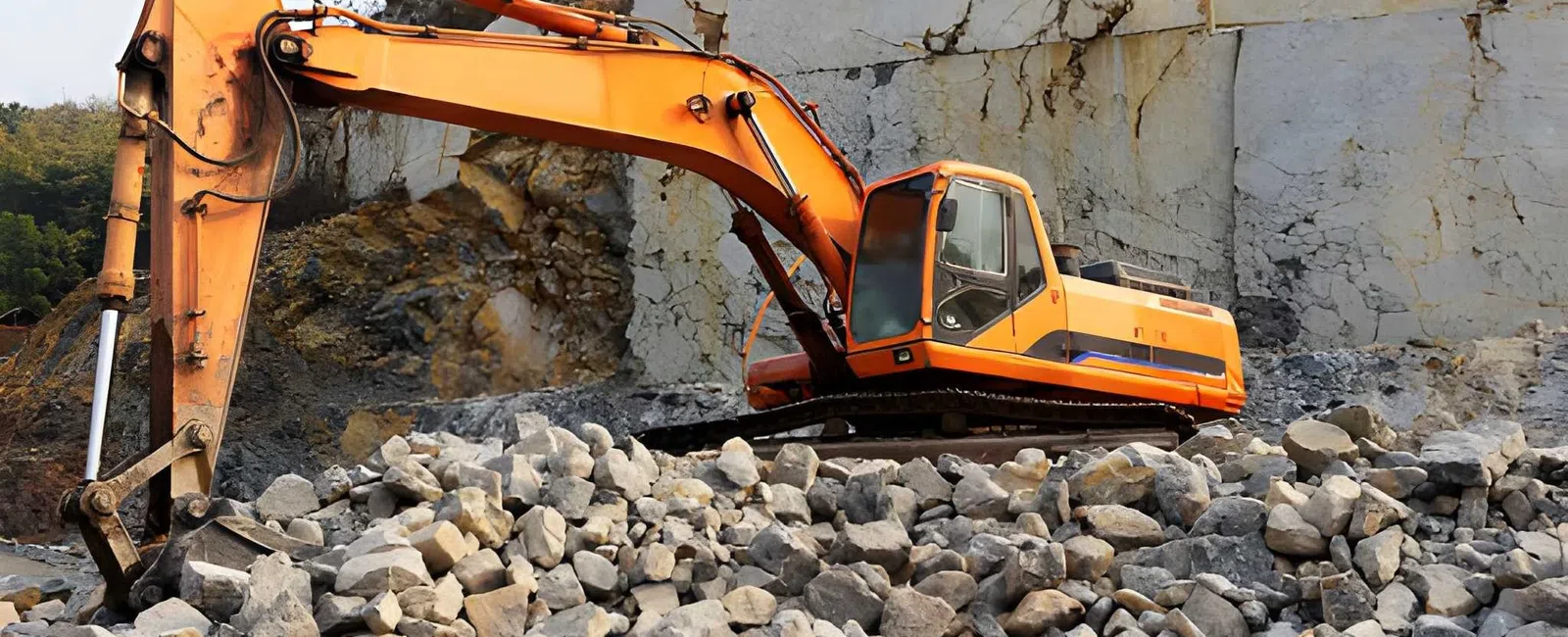
Not every project calls for taking a whole building down. Selective demolition is the precise, strategic removal of specific parts of a structure, walls, floors, ceilings, mechanical systems, a damaged wing, while the rest stays standing. Where a full teardown is about speed and total removal, selective demolition is about control, and it is the approach behind most renovations, retrofits, and adaptive reuse projects.
What Is Selective Demolition?
Selective demolition is the targeted removal of structural or interior elements while protecting everything around them. Instead of demolishing a building, a crew carefully takes out only the intended components, walls, flooring, ceilings, fixtures, or a specific section, without damaging load-bearing systems or neighboring areas. It is closely related to interior demolition, which is the soft-strip of a space back to its shell; selective demolition is the broader strategy of removing some parts while preserving others, whether inside a building or to a single section of structure.
How Selective Demolition Differs from a Full Teardown
The two approaches solve different problems, and the differences run through every stage of the job.
- Scope. A full teardown removes the entire structure. Selective demolition targets only specific areas and leaves the rest intact.
- Tools and technique. Selective work leans on saw cutting, hand tools, and controlled dismantling rather than heavy machinery swinging at the whole building.
- Waste. Because only what is necessary comes out, materials can often be salvaged or recycled, which cuts both landfill volume and disposal cost.
- Safety and compliance. Working around the parts that stay, often with live utilities and occupied space nearby, demands detailed planning, including asbestos and hazardous material checks before anything is touched.
Those complexities are why selective work belongs with an experienced crew. It is one of the demolition methods where precision matters more than power, and a mistake is far costlier than on a straight teardown.
When Should You Use Selective Demolition?
Selective demolition is not always the right tool, but in the following situations it usually is.
Commercial renovations and remodels. When you are updating interiors without changing the building envelope, selective demolition removes the outdated elements while keeping the rest of the space, and often the business, running.
Tenant improvements. New tenants need layouts that fit them. Selective demolition reconfigures a space quickly without touching the building's core structure, which makes it a go-to for property managers and developers.
Structural repairs and upgrades. Reinforcing beams, columns, or foundations means getting access to specific areas. Selective removal opens up those spots without compromising the rest of the structure.
Historic preservation. Older buildings often need modern systems while keeping their architectural character. Selective demolition makes the functional upgrades possible while preserving the elements worth saving.
Partial damage and disaster recovery. After fire, water, or storm damage, selective demolition removes the compromised sections safely and prepares the site for restoration instead of a full rebuild.
Selective Demolition in Occupied and Commercial Spaces
Interior projects are the most common use, and the trickiest, because the building keeps operating around the work. Removing non-load-bearing walls, flooring, ceilings, and mechanical components to open up a modern layout calls for dust and noise control, protection of the finishes that stay, and careful sequencing so tenants and neighbors are not disrupted. This is the backbone of commercial interior demolition, and it is especially demanding in dense settings like Atlanta's commercial corridors, where access is tight and zoning and safety rules are strict. It is the same discipline our commercial demolition team brings to projects across the Atlanta metro and the rest of Georgia.
The Cost and Environmental Upside
Selective demolition is practical and sustainable at the same time. Steel, concrete, wood, and fixtures can often be recycled or reused, which lowers environmental impact. Removing only what is necessary cuts waste volume and the disposal cost that comes with it. And because parts of the structure stay in place, downtime drops and renovations can happen in phases. It frequently carries higher labor costs than a blunt teardown, but it tends to save money overall through reduced waste, preserved infrastructure, and less disruption to operations.
Safety Comes First, Always
Selective demolition means working around live utilities, occupied spaces, and existing structure, so safety planning is the framework the whole job hangs on. That includes disconnecting and verifying utilities, identifying hazardous materials like asbestos and lead, shoring and supporting the structure that remains, and following OSHA-compliant procedures throughout. A professional crew invests in the training and equipment to meet that standard on every project, which is also why this is never a DIY undertaking.
Frequently Asked Questions
What is selective demolition used for most often?
Most often for renovations, tenant improvements, and partial structural upgrades, the projects where a full teardown is unnecessary and preserving the rest of the building is the goal.
Is selective demolition more expensive than a full teardown?
It can carry higher labor costs because of the precision involved, but it often saves money overall by reducing waste, preserving the structure, and minimizing downtime. The right comparison is the total project cost, not just the demolition line.
Can selective demolition be done in an occupied building?
Yes. With proper planning, containment, and safety controls, many selective projects are completed while nearby areas stay operational.
Do I need permits for selective demolition in Georgia?
In most cases, yes. A professional demolition team handles the permitting, inspections, and compliance as part of the project.
Planning a Renovation? Start With a Walkthrough
The best way to know whether selective demolition fits your project is to have an experienced team look at the space. BHH Demolition is veteran-owned and operated, led by U.S. Army veteran Grady Brain, with more than 23 years of demolition experience, an impeccable safety record, and recycling built into every job. We serve the Atlanta metro and communities across Georgia from our base in Oxford.
Call us or contact us online, and we will assess the space and put a free quote behind the plan.