
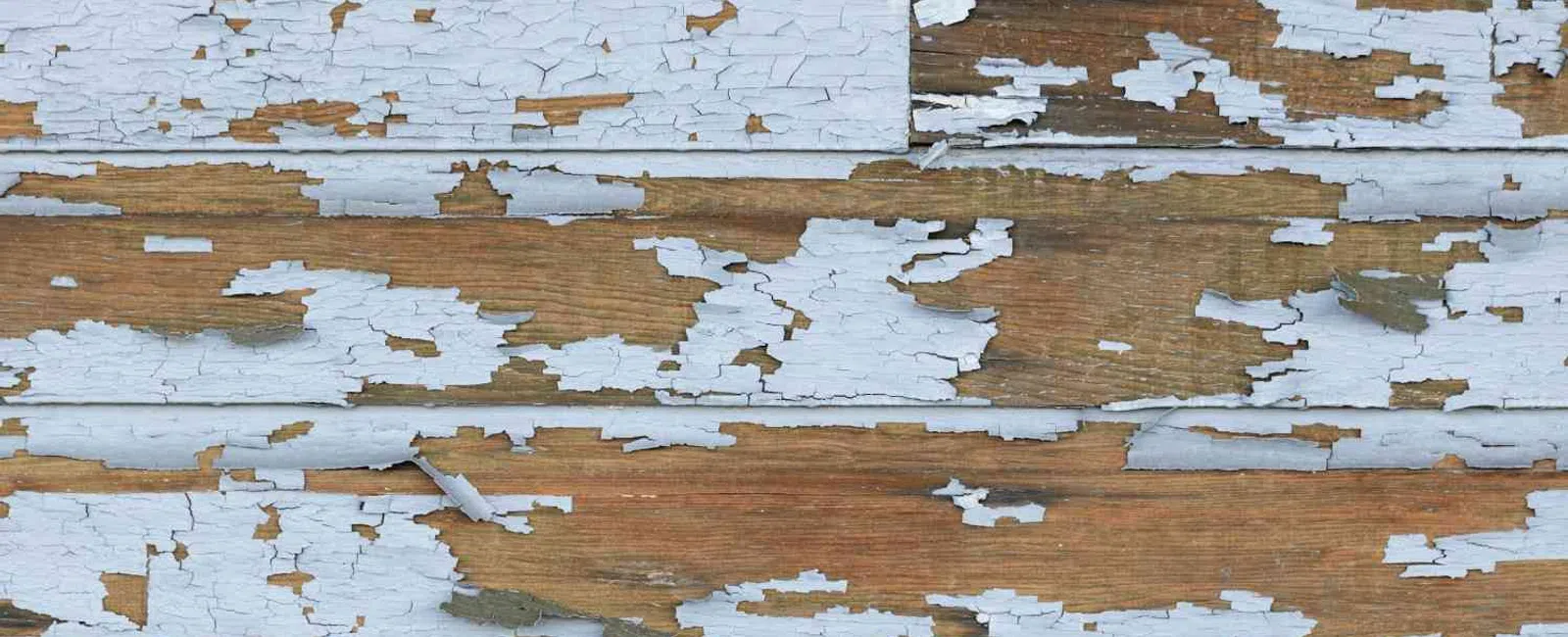
If your home was built before 1978, it is a question worth taking seriously. Lead was a standard ingredient in house paint for generations, and a lot of it is still sitting on walls, trim, and windows across the country. The good news is that there are clear warning signs to watch for, but sanding or scraping to find out is exactly the wrong move.
What Is Lead Paint, and Where Does It Hide?
Lead paint is exactly what it sounds like: paint made with lead added for durability and color. It was used heavily until the United States banned lead in residential paint in 1978. So the rule of thumb is straightforward, the older the home, the higher the odds. A house built before 1978 is a candidate, and one built before 1950 is very likely to have it somewhere.
It tends to show up on surfaces that took a beating or got repainted often: window frames and sills, doors and door frames, trim and baseboards, stair railings, porches, and exterior siding. Those high-friction and weather-exposed spots are where lead paint is both most common and most likely to be deteriorating.
Warning Signs That Paint Might Be Lead-Based
You cannot confirm lead by sight, but a few telltale signs should put you on alert:
- Age. Paint from before 1978 is the prime suspect, and anything pre-1950 is more so. The age of the home is your biggest clue.
- A cracking pattern called alligatoring. Old lead paint often cracks into a scaly, checkerboard pattern that looks like alligator skin or dried mud.
- A chalky, powdery residue. Exterior lead paint can break down into a fine chalk you might notice on your hand after touching it.
- Lots of layers. Thick, built-up paint, especially on windows, doors, and trim that have been repainted many times over decades, often has lead in the lower layers.
- Location. Friction points like windows and doors, plus exterior surfaces, are where lead paint most often turns up and wears down.
Seeing any of these signs is a reason to test, not a confirmation. Plenty of old paint is lead-free, and lead paint can sit under newer coats looking perfectly ordinary.
Can You Tell Just by Looking?
The signs above raise suspicion, but only a test confirms lead. The reliable way is to have a sample or surface checked by a professional, using a certified test or lab analysis. Do not sand, scrape, or chip the paint to get a closer look or collect your own sample. Disturbing lead paint is precisely how the dangerous dust gets created. Testing is how you get a real answer without making a mess of fibers and dust.
When Lead Paint Becomes Dangerous
Here is the pattern, which may sound familiar if you have read about asbestos: intact is one thing, disturbed is another. Lead paint that is in good condition and not being touched is generally a lower risk. The real danger comes when it deteriorates into chips and dust, or when someone disturbs it by sanding, scraping, or using a heat gun, or during demolition. That fine lead dust is the hazard, and it is especially harmful to young children and pregnant women. A renovation or teardown that tears into old painted surfaces is one of the most common ways lead dust gets released into a home.
What to Do If You Suspect Lead Paint
If you think you are dealing with lead paint, slow down and handle it the right way:
- Do not sand, dry-scrape, or use a heat gun on it. Those methods create lead dust and fumes. Keep the surface undisturbed for now.
- Maintain intact paint and clean up any chips safely. Deteriorating paint should be handled by a professional, not power-sanded on a weekend.
- Have it tested, and for any work that will disturb it, use a lead-safe certified professional. Removal and renovation involving lead paint are regulated for good reason.
Removing lead paint, or renovating around it, is not a DIY job. It is regulated work that calls for lead-safe practices, containment, and proper cleanup to keep the dust from spreading.
Lead Paint, Renovation, and Demolition
Old painted surfaces are everywhere a remodel or teardown touches, which is exactly why checking for lead belongs at the front of a project, not in the middle of the dust. Before any demolition or major renovation of an older building, the smart move is to identify suspect painted surfaces and, if lead is present, handle them with lead-safe methods before the work tears into them. Plan for it early and it becomes a manageable step. Ignore it and you risk spreading lead dust through the whole space.
Frequently Asked Questions
How can I tell if my paint is lead-based?
Age is the biggest clue, paint from before 1978 is a strong suspect, along with signs like alligator-pattern cracking, a chalky residue, and many thick layers on windows and trim. But you cannot confirm it by sight; only a test does that.
Is lead paint dangerous if I just leave it alone?
Intact, well-maintained lead paint that nobody is disturbing is generally a lower risk. It becomes dangerous when it chips, turns to dust, or gets sanded, scraped, or torn into. The dust is the real hazard, and it is especially harmful to children.
Can I remove lead paint myself?
It is not a DIY job. Sanding or scraping lead paint releases dust and fumes, and the work is regulated. A lead-safe certified professional has the methods and containment to handle it without contaminating your home.
Renovating or Demolishing an Older Home?
If your project means disturbing old painted surfaces, find out what is in them before anyone starts sanding. BHH Demolition is veteran-owned and operated, led by U.S. Army veteran Grady Brain, with more than 23 years of experience, a safety record we stand behind, and hazardous-material handling built into every job. We serve the Atlanta metro and communities across Georgia from our home base in Oxford.
We are ready when you are. Call us or reach out online for a free, no-pressure site evaluation, and we will make sure your project starts safe and stays compliant.