
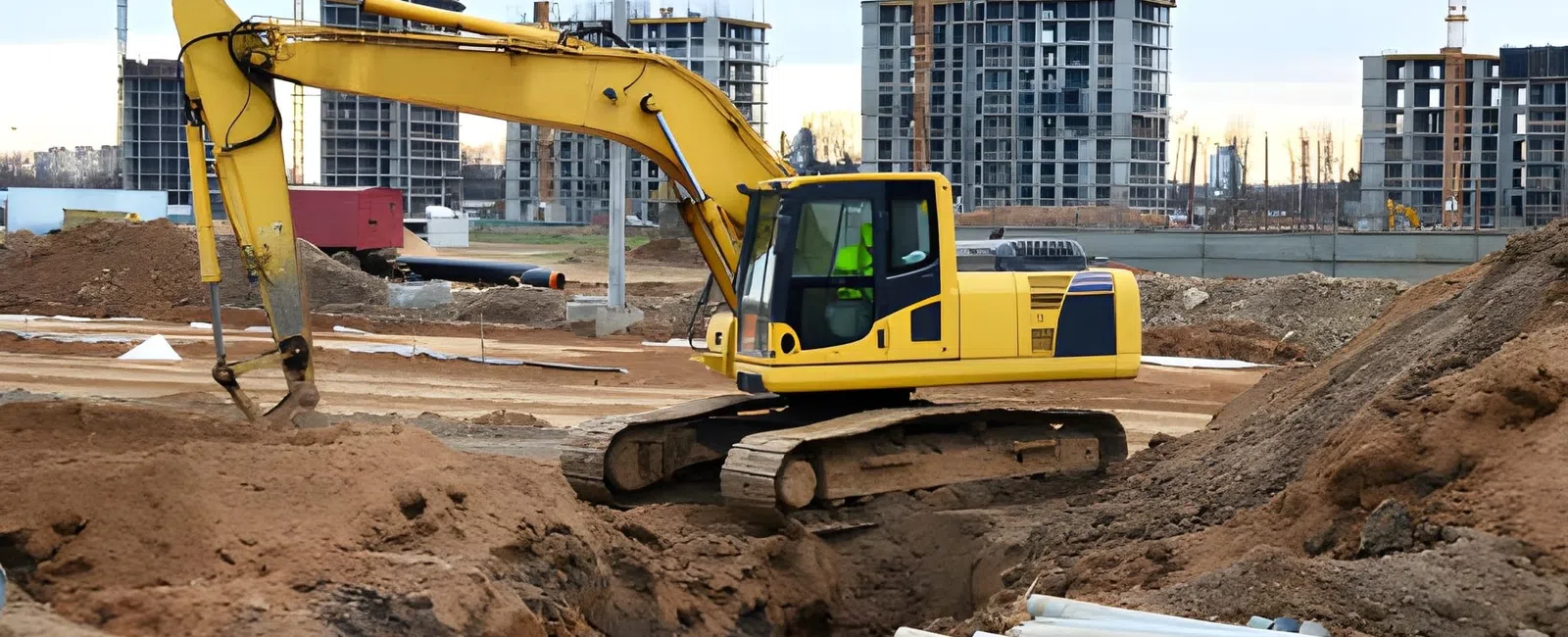
When a building reaches the end of its life, taking it down does not have to mean sending it all to the dump. The old way of doing things, knock everything flat and haul the rubble to a landfill, wastes huge amounts of material that could be recovered and reused. Concrete, steel, brick, and timber all have value, and a lot of it ends up buried for no good reason.
That is the idea behind green demolition. Instead of treating a teardown as pure destruction, it treats the building as a source of materials worth saving.
What Green Demolition Really Means
Green demolition, sometimes called sustainable or eco-friendly demolition, is the practice of taking a structure down in a way that recovers as much material as possible and keeps it out of the landfill. Where traditional demolition is built around speed, green demolition is built around recovery. That means more careful planning, more sorting, and a focus on what can be reused, recycled, or repurposed rather than simply thrown away. The site still gets cleared and made ready for whatever comes next. It just happens in a way that wastes far less along the way.
It Starts With a Pre-Demolition Assessment
Before any equipment shows up, a green demolition project begins with a close look at the building. The goal is to understand what it is made of and what can be saved. A solid assessment covers:
- Material inventory. Identifying reusable elements like brick, timber beams, metal framing, doors, and windows.
- Hazardous material analysis. Locating asbestos, lead paint, or other materials that require licensed handling and special disposal.
- A waste management plan. Mapping out exactly how materials will be sorted, recycled, or disposed of responsibly.
This planning stage is what makes the rest of the project work. Skip it, and material recovery becomes guesswork. Do it well, and the crew knows what is coming out of the building before the first wall comes down.
Selective Demolition and Deconstruction
The heart of green demolition is taking things apart with some care rather than flattening everything at once. Selective demolition, also called deconstruction, means dismantling the structure piece by piece to pull out valuable materials intact. It takes longer than a straight mechanical teardown, but the payoff is real. High-value materials like hardwood, metal, and architectural features come out in reusable condition, far less ends up in the landfill, and those materials can re-enter the supply chain instead of being lost. It turns what would have been waste into something useful.
Sorting and Recycling the Materials
Once materials come out of the building, they have to be sorted and sent to the right place. Handling it on or near the site keeps things efficient and cuts down on hauling. The common streams include:
- Concrete. Old concrete can be crushed and reused as aggregate for new construction or road base.
- Metal. Steel, aluminum, and copper are highly recyclable and have steady demand at recovery facilities.
- Timber. Quality wood can be repurposed for flooring, furniture, or other uses.
- Fixtures. Doors, tile, and windows can often be reused or donated to community and housing projects.
Recycling close to the site also reduces the trucking and emissions that come with moving heavy material around, which is part of the point of going green in the first place.
Lower-Impact Methods on the Job Site
Green demolition is not only about what happens to the debris. It is also about reducing the impact of the work while it is underway, something that matters a lot in Georgia's busy neighborhoods and commercial corridors. A responsible crew uses dust suppression like misting and water sprays to protect workers and neighbors, manages noise by working sensible hours and using barriers where needed, and controls erosion and runoff so soil and water stay clean. On sites near creeks, lakes, or stormwater systems, that runoff control is not just courteous, it is part of staying compliant with environmental rules.
Why Green Demolition Is Worth It
The biggest wins are environmental. Recycling and reusing materials keeps tons of debris out of Georgia landfills, cuts the emissions tied to producing new material, and reduces the dust, noise, and pollution that affect the community around a job site. Reusing what already exists also conserves raw materials, from forests to minerals. There are practical upsides too. Recovering and recycling material can reduce what goes to the landfill, and for businesses, a documented commitment to sustainability supports green building goals and certifications like LEED. Communities benefit as well, through cleaner air, less disruption, and donated materials that support local housing and nonprofit projects.
Green Demolition in Georgia
Georgia's metro areas are growing fast, which means a steady stream of teardowns and redevelopment. That growth makes responsible demolition matter even more. Diverting concrete, metal, and wood from local landfills eases pressure on disposal capacity, and many redevelopment and commercial projects increasingly expect contractors to show how they handle waste. A demolition partner who knows the local recycling facilities, disposal rules, and permitting requirements can make green demolition smooth instead of complicated. It is the kind of thing that comes from working Georgia job sites for years.
What to Look for in a Green Demolition Contractor
Not every contractor approaches demolition the same way, so a few questions help you find one who takes recovery seriously:
- Experience with material recovery and recycling, not just teardown.
- A clear plan for how they sort, recycle, reuse, and dispose of materials.
- Proper licensing, insurance, and compliance with environmental and safety rules.
- Honest answers about how much material they expect to divert from the landfill.
- Real attention to dust, noise, and runoff to protect your neighbors.
A contractor who values sustainability will talk you through all of this before the project starts, not after.
Frequently Asked Questions
What is green demolition?
Green demolition is taking a building down in a way that recovers and recycles as much material as possible while reducing environmental impact. It relies on careful planning, selective deconstruction, on-site sorting, and responsible recycling instead of sending everything to the landfill.
How is green demolition different from traditional demolition?
Traditional demolition is built around speed and usually sends most debris to a landfill. Green demolition emphasizes planning, material recovery, recycling, and lower-impact methods, so far less material is wasted.
Can large commercial projects use green demolition?
Yes. Green demolition scales to projects of any size, and many commercial and redevelopment projects now expect high landfill diversion rates and documented waste handling.
Does green demolition take longer?
Selective deconstruction can take more time than a straight mechanical teardown because materials are removed with care. Good planning keeps that on schedule, and the environmental payoff is significant.
Planning a Greener Teardown in Georgia?
Demolition does not have to mean destruction. With the right approach, a teardown becomes a source of recovered material and a cleaner start for whatever comes next. BHH Demolition is veteran-owned and operated, led by U.S. Army veteran Grady Brain, with more than 23 years of experience, an impeccable safety record, and debris recycling built into every project we take on. We serve the Atlanta metro and communities across Georgia from our home base in Oxford.
We are ready when you are. Call us or contact us online for a free, no-pressure quote, and let us help you clear your site the responsible way.