
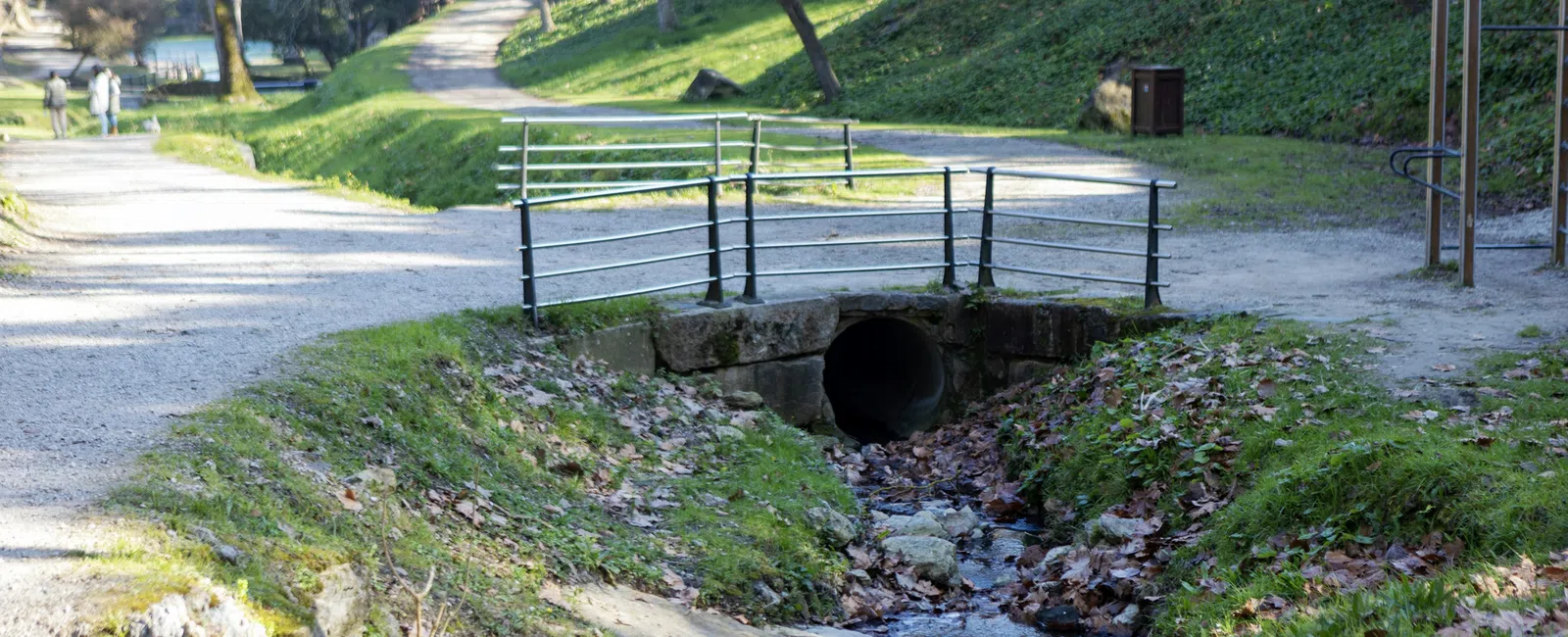
What Is a Driveway Culvert?
A driveway culvert is a length of pipe set into the roadside ditch and buried under your driveway where it meets the road. Its job is to keep the ditch draining freely while still giving you a solid, stable surface to drive across. Without one, a driveway either dams up the ditch, causing water to pond and flood, or it gets cut by the running water until the entrance washes out. The culvert lets the water keep moving underneath while you drive over the top. Simple in concept, but the details, size, type, grade, and installation are what make it work or fail.
Do You Need a Permit for a Driveway Culvert in Georgia?
In nearly every case, yes. Most Georgia counties require a permit from the county Department of Transportation or public works office before you install or modify a driveway culvert, because the work affects the public road's drainage. Larger pipes and commercial driveways sometimes require engineer-approved drainage plans on top of the permit. This is a step people often do not realize applies to them, and skipping it can mean fines or being told to dig it back up. A licensed culvert contractor handles the permit application and county coordination as part of the job, which takes the guesswork off your plate.
What Size Culvert Pipe Do You Need?
This is the question that matters most, and the one most do-it-yourself installs get wrong. Most residential driveways use 15-inch, 18-inch, or 24-inch pipe, but the right size for your driveway depends on several things working together:
- The watershed, or how much water actually flows through the ditch during a storm.
- The slope of the road and the ditch.
- The depth of the ditch.
- Your county's requirements.
If the size of the pipe is too small and it cannot handle heavy rain, the driveway floods. Size it too large, and you have wasted money and ended up with an entrance that does not sit right. Getting it correct takes a proper look at the site, which is why sizing is done during an on-site assessment rather than by guessing from a catalog.
HDPE vs Metal: What Type of Pipe Is Best?
For most residential driveways today, HDPE, or high-density polyethylene plastic pipe, is the modern standard. It is lighter than metal or concrete, it does not rust, it handles ground movement well, and it lasts for decades. Galvanized corrugated metal pipe is still used in some applications, but in Georgia's wet clay soils it tends to rust out in 20 to 30 years, which means doing the whole job over again. For nearly every residential install, HDPE is the better long-term choice. The right material for a specific site is something a contractor confirms based on the conditions and county standards.
Headwalls and Erosion Control
A headwall is the finished structure at the end of the culvert pipe, usually concrete or stacked stone, often with flared end sections and rip-rap stone for erosion protection. You do not always need one, but a headwall is recommended when the embankment is steep enough that erosion is a real concern, when county code calls for it, or simply when you want a clean, finished, professional look at the driveway entrance. Beyond appearance, headwalls protect the pipe ends and keep the slope from eroding around them, which extends the life of the whole installation.
My Driveway Floods Every Time It Rains. Can a Culvert Fix It?
Often, yes. Driveway flooding almost always traces back to one of three causes. The culvert may be undersized and unable to handle the volume of water during a storm. The pipe may be crushed, rusted through, or blocked, so it is no longer doing its job. Or the ditch itself may be poorly graded, so water never gets channeled to the culvert in the first place. The fix depends entirely on which of these is happening, which is why a proper diagnosis at the site comes before any recommendation. Replacing a pipe that is the wrong size or installed badly is exactly the kind of problem a correct culvert install solves for good.
What Installation Involves, and Why It Is a Pro Job
Putting in a driveway culvert is more involved than dropping a pipe in a ditch. It takes excavation to set the pipe at the correct grade so water flows through it, careful backfilling and compaction so the driveway does not settle or sink over the pipe, and finishing work to leave a clean, stable entrance. Because the work happens on or near a public road, often with traffic moving past, it also calls for proper work-zone safety, signage, and flagging. Add the permit and the county code requirements, and it becomes clear why this is a job for an experienced, licensed crew with the right equipment rather than a weekend project. Many standard residential installs can be completed in a single day when they are done by a team that does this regularly.
Replacing an Old or Failed Culvert
Culverts do not last forever, especially the older galvanized metal ones that rust out over time. If your existing pipe is crushed, rusted through, undersized, or constantly backing up, replacement is usually the answer. A replacement involves removing the old pipe, checking what is going on underneath, and setting a properly sized new pipe to the correct grade. It is a good opportunity to upgrade to HDPE and to correct any sizing or grading problems that were causing trouble in the first place, so the new install actually solves the issue rather than repeating it.
Commercial and Multi-Driveway Projects
Driveway culverts are not only a residential concern. Retail entrances, industrial driveways, and multi-driveway developments all need properly designed and installed culverts, usually on a larger scale. Commercial installations typically require engineered drainage plans and coordination with the county DOT, which adds steps but follows the same fundamentals: the right size pipe, set at the right grade, installed to code. A contractor who handles both residential and commercial culvert work can carry these larger projects through the engineering and permitting, as well as the installation.
Why Hire a Licensed Culvert Contractor
A driveway culvert sits at the intersection of your property and the public road, which means it has to satisfy both your drainage needs and the county's requirements. A licensed culvert contractor handles the permit, sizes the pipe correctly for your site, installs it to county code, and does the work safely near traffic. That combination of permitting know-how, correct sizing, proper installation, and road-side safety is hard to match on your own, and getting any one of them wrong is what leads to the floods, washouts, and compliance headaches that a good install avoids entirely.
Frequently Asked Questions
Do I need a permit to install a driveway culvert in Georgia?
In nearly every case, yes. Most Georgia counties require a permit from the county DOT or public works office, and larger or commercial driveways may need engineer-approved drainage plans. A licensed contractor handles the permit and county coordination as part of the project.
What size culvert pipe do I need for my driveway?
Most residential driveways use 15-inch, 18-inch, or 24-inch pipe, but the right size depends on the watershed, the road and ditch slope, the ditch depth, and county requirements. It should be sized during an on-site assessment, since a pipe that is too small floods and one that is too large wastes money.
What type of culvert pipe is best for a driveway?
For most residential driveways, HDPE plastic pipe is the modern standard. It does not rust, handles ground movement well, and lasts for decades. Galvanized metal pipe tends to rust out in 20 to 30 years in Georgia's wet clay, so HDPE is usually the better long-term choice.
Can a new culvert stop my driveway from flooding?
Often, yes. Driveway flooding usually comes from an undersized pipe, a crushed or blocked pipe, or a poorly graded ditch. The right fix depends on the cause, which is diagnosed during a site visit before any recommendation is made.
Need a Driveway Culvert Installed or Replaced in Georgia?
A driveway culvert done right is one you never have to think about again, sized correctly, permitted properly, and built to last. BHH Demolition is a veteran-owned, licensed, and insured culvert and drainage company led by U.S. Army veteran Grady Brian, with more than 25 years of experience, a strong safety record across hundreds of projects, and the equipment to handle the job from permit to final compaction. We install and replace driveway culverts in Atlanta, Marietta, Cherokee County, and across Georgia from our home base in Oxford.
We are ready when you are. Call us or reach out online for a free, no-pressure quote, and we will get your driveway entrance done right the first time.