
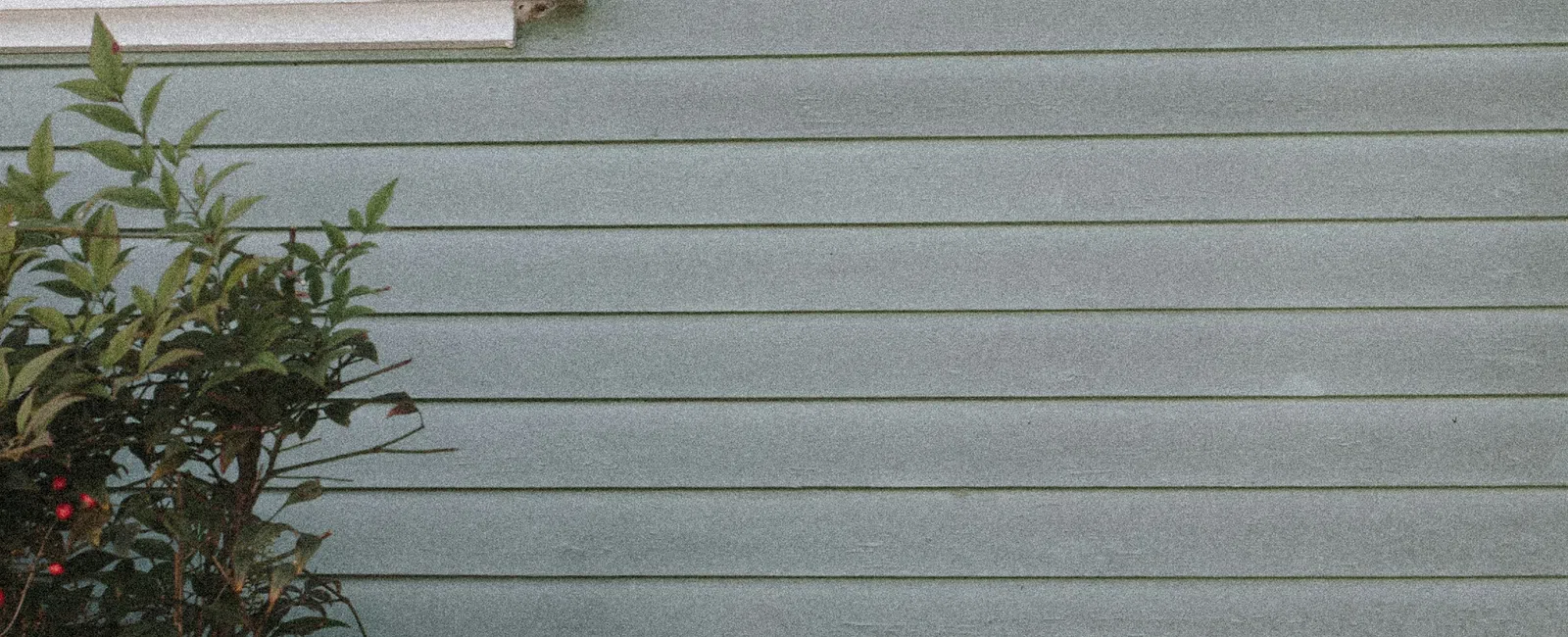
For decades, asbestos siding was everywhere. It was cheap, tough, and fireproof, so builders loved it. A lot of it is still hanging on homes today, quietly doing its job. Left alone, it is usually low risk. The moment you cut it, break it, or rip it off, the story changes fast.
What Exactly Is Asbestos Siding?
Asbestos siding, often called asbestos cement siding, is a hard cement product with asbestos fibers mixed in. Those fibers made it strong, rigid, and resistant to fire and rot. Manufacturers turned it into shingles and flat panels for exterior walls from roughly the 1920s through the 1980s.
The tricky part is that it looks like an ordinary building material. There is no bright warning label, no obvious tell. Recognizing it comes down to knowing the clues and the era it came from, not spotting anything with the naked eye.
How to Identify Asbestos Siding
You cannot confirm asbestos just by looking, but a few traits should put you on alert. Walk your home with these in mind:
- It feels like cement. The shingles are hard, rigid, and brittle. They crack instead of denting the way wood, vinyl, or aluminum would.
- The shape gives it away. Asbestos siding shingles are often rectangular, commonly around twelve by twenty-four inches, sometimes with a wavy or scalloped bottom edge.
- Check the texture. Many shingles were stamped to mimic wood grain or finished with a slightly rough, stippled surface.
- Mind the age. Anything installed before the 1980s, and especially before the 1990s, is a prime suspect. The age of the house is your single biggest clue.
- Look at the nails. You will often see pre-drilled holes near the bottom edge of each shingle, since the brittle material had to be nailed, not driven through.
Spotting one of these is a reason to test, not a final verdict. Modern fiber cement siding looks almost identical and is asbestos-free, and plenty of old asbestos siding has been painted over so many times it is hard to read.
Only a Test Can Confirm It
The asbestos is locked inside the cement, and the fibers are microscopic. That means the only way to know for sure is a lab test on a small sample, looked at under a microscope. A certified inspector collects that sample safely, because snapping off a chunk of siding to check it yourself is exactly the kind of disturbance you want to avoid. Test first, and the guesswork disappears.
When Does Asbestos Siding Actually Become Dangerous?
Intact siding sitting on your wall is generally low risk, because the fibers stay trapped in the cement. The danger shows up when you disturb it. Cutting it with a saw, drilling, sanding, breaking shingles, blasting it with a pressure washer, or tearing it off during demolition all send fibers into the air, right where they can be breathed in.
That is why a re-siding project or an exterior teardown on an older home is one of the most common ways people accidentally release asbestos. The siding itself is not out to get you. What you do to it is the real risk.
Found It? Here Is What to Do, and What Not to Do
If you suspect your siding contains asbestos, slow down. The safest first move is to leave it alone and confirm what you are dealing with.
- Do not cut, sand, break, or power-wash it. Every one of those releases fibers. Skip the pressure washer on old cement siding entirely.
- Leave intact siding where it is for now. In a lot of cases, sound asbestos siding can be painted or sided right over instead of removed, but that decision should come after a test, not before.
- Bring in a licensed pro. A certified inspector tests it safely, and if it comes back positive, licensed removal is the only safe way to take it down.
And to be clear: removing or replacing asbestos siding is not a weekend DIY project. It is regulated work that calls for containment, proper protective gear, and certified disposal. This is one job worth handing off.
Why This Matters Most at Demolition Time
Siding is one of the first things to come off in an exterior teardown, which is exactly why testing belongs before the work, not in the middle of it. On any demolition of an older home, the smart move is to identify suspect siding up front and, if it tests positive, have licensed crews remove it first. Plan for it early, and what could have been a hazard becomes just another line on the checklist.
Frequently Asked Questions
How do I know if my siding contains asbestos?
You cannot be certain just by looking. Hard, brittle cement shingles on a home built before the 1980s are a strong suspect, but only a lab test on a safely collected sample can confirm it.
Is asbestos siding dangerous if I just leave it alone?
Intact siding that nobody is disturbing is generally low risk. The danger comes from cutting, breaking, sanding, or tearing it off. The risk is in the work, not the wall.
Can I paint or cover asbestos siding instead of removing it?
Often, yes. Sound asbestos siding can usually be painted or covered with new siding, which avoids disturbing it. Just confirm the material and its condition with a professional first, and never sand or aggressively prep it beforehand.
Planning a Teardown or Re-Side? Test First, Then Call Us
If your project means removing old siding, do yourself a favor and find out what it is before the work starts. BHH Demolition is veteran-owned and operated, led by U.S. Army veteran Grady Brain, with more than 23 years of experience, a safety record we stand behind, and asbestos handling built into every job. We serve the Atlanta metro and communities across Georgia from our home base in Oxford.
Ready when you are. Call us or reach out online for a free, no-pressure site evaluation, and we will make sure the job starts safe and stays compliant.