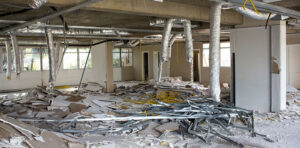
Building demolition in Atlanta is a necessary process that often precedes urban redevelopment or infrastructure improvement. In Atlanta, Georgia, a city known for its rapid growth and modernization, demolition activities are common. However, the process is fraught with hazards that can pose significant risks to workers, the public, and the environment. This article will explore the common hazards associated with building demolition in Atlanta, and how industry experts devise strategies to mitigate these risks effectively. By understanding these hazards and mitigation strategies, stakeholders can ensure a safer demolition process, safeguarding the workforce and surrounding communities.
Understanding the Hazards of Building Demolition
Demolition work involves the dismantling, razing, or removal of structures, which can bring about various hazards. The most common hazards include physical injuries, exposure to hazardous materials, and environmental impacts. Physical injuries can occur due to falling debris, equipment accidents, or improper safety measures. According to the U.S. Bureau of Labor Statistics, the construction industry, which encompasses demolition, consistently ranks among the most dangerous sectors, with thousands of injuries reported annually. In Atlanta, the growing number of demolition projects increases the risk of accidents unless stringent safety protocols are adhered to.
Hazardous Materials: Asbestos and Lead
One of the most significant hazards in building demolition is exposure to hazardous materials such as asbestos and lead. Many older buildings contain these materials, which pose serious health risks when disturbed. Asbestos can lead to lung diseases, including asbestosis and mesothelioma, while lead exposure can cause neurological issues, particularly in children. In Atlanta, where many historic buildings are being demolished, identifying these materials is crucial. Experts conduct thorough inspections and testing before demolition begins to ensure that any hazardous materials are identified and removed in compliance with the Environmental Protection Agency (EPA) regulations.
Noise and Vibration Hazards
Demolition activities often generate high levels of noise and vibrations that can have adverse effects on both workers and nearby residents. Prolonged exposure to loud noises can result in hearing loss, while excessive vibrations can damage nearby structures or disturb the community. In Atlanta, where many demolition sites are located near residential areas, managing noise and vibration levels is essential. Experts implement various strategies, such as using quieter machinery and establishing noise barriers, to minimize disturbances and protect the health and safety of both workers and the public.
Falling Debris and Structural Instability
Falling debris is a significant hazard during demolition, particularly in multi-story buildings. Workers on the ground are at risk of injury from falling materials, while those working at heights may face the danger of structural collapse. To mitigate these risks, demolition experts employ a range of safety measures. For instance, they may use protective netting to catch falling debris, and establish exclusion zones to keep unauthorized personnel away from the site. Additionally, engineering assessments are conducted to determine the structural integrity of buildings before demolition begins, ensuring that any potential hazards are addressed before work commences.
Excavation and Ground Hazards
Excavation activities are often a part of demolition projects, which can introduce additional hazards like cave-ins, falls, and underground utilities. In Atlanta, many older buildings may have unmarked or outdated utility lines that can pose risks during excavation. Experts use utility mapping and ground-penetrating radar to identify and locate underground utilities before commencing work. Furthermore, they adhere to OSHA regulations regarding trench safety, ensuring that proper shoring and protective measures are in place to prevent cave-ins and protect workers.
Environmental Considerations
Demolition activities can have significant environmental impacts, particularly concerning waste management and pollution. Construction and demolition debris often ends up in landfills, contributing to waste issues. In Atlanta, where sustainability is increasingly prioritized, demolition experts are adopting greener practices. This includes recycling materials such as concrete, metal, and wood, thereby reducing the overall environmental footprint. Additionally, experts ensure that hazardous materials are disposed of following regulatory guidelines to prevent contamination of soil and water sources.
Training and Safety Protocols
To mitigate the various hazards associated with building demolition, comprehensive training and established safety protocols are essential. Workers must receive training on the specific hazards they may encounter and the safety measures in place to protect them. In Atlanta, many demolition companies prioritize safety culture and invest in ongoing training programs to ensure that their workers are well-prepared. Additionally, safety audits and regular inspections of equipment and procedures help maintain high safety standards on demolition sites.
Emergency Preparedness and Response
Despite the best preventive measures, accidents can still occur during demolition projects. Therefore, having emergency preparedness and response plans in place is critical. In Atlanta, demolition companies often collaborate with local fire and emergency services to develop and implement these plans. This includes conducting drills, ensuring that emergency exits are clearly marked, and providing first aid training to workers. By preparing for potential emergencies, companies can reduce response times and minimize the impact of accidents when they occur.
Conclusion: Ensuring Safety in Demolition Projects
Building demolition in Atlanta, Georgia, presents a myriad of hazards that require careful planning and execution to mitigate effectively. From hazardous materials and falling debris to environmental concerns and emergency preparedness, the complexities of demolition demand expertise and vigilance. By following rigorous safety protocols, conducting thorough inspections, and investing in training, demolition experts can significantly reduce risks and create a safer working environment. As Atlanta continues to grow and evolve, prioritizing safety in demolition practices will be essential to protect workers, the community, and the environment. Stakeholders must remain committed to implementing best practices and adapting to new challenges, ensuring that your
demolition is conducted safely and responsibly.